








What's Happening?
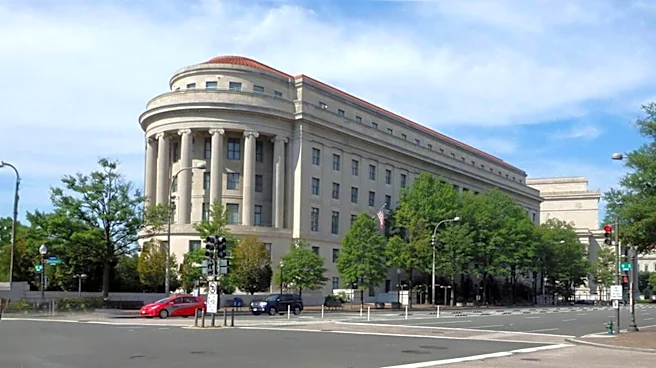
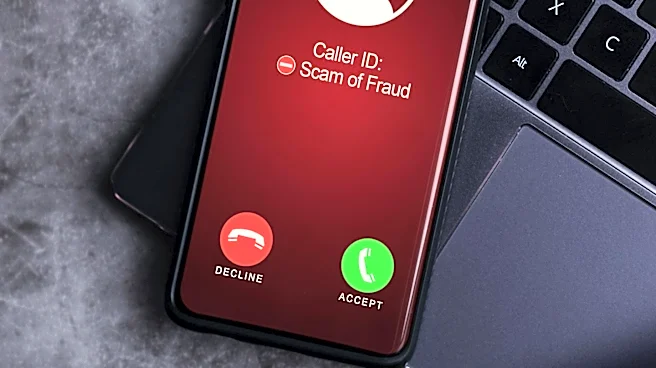
The Federal Trade Commission (FTC) issued a public warning on November 2, 2026, regarding a new government impersonation scam. Scammers are reportedly contacting individuals, posing as FTC agents, and falsely claiming that the victim's phone number is being
used in fraudulent activities in another country. These imposters then provide a fake badge number and transfer the call to another individual impersonating a police officer, who requests personal information and demands payment to avoid legal trouble. The FTC emphasized that its legitimate employees would never threaten or demand payment from consumers, nor would they ask for personal information via unexpected calls or texts. This new variant of scamming tactics highlights an evolving threat where fraudsters invoke the agency itself to deceive victims.
Why It's Important?
This warning is crucial because government impersonation schemes have already resulted in significant financial losses for Americans, totaling approximately $920 million last year. The new scam directly targets the public's trust in federal agencies, making it particularly insidious. By posing as FTC agents, scammers exploit the agency's authority to pressure victims into divulging sensitive personal information or making payments. The FTC's proactive warning aims to educate the public on how to identify and avoid these scams, thereby protecting individuals from financial harm and identity theft. The adaptation of scam tactics to include cross-border fraud involvement adds another layer of complexity, making it harder for unsuspecting individuals to discern legitimate communications from fraudulent ones.
What's Next?
The FTC advises anyone who receives such a call to immediately hang up, especially if the caller demands payment or secrecy. Consumers are encouraged to report suspected scams directly to ReportFraud.ftc.gov. The agency will continue to track these fraud categories and issue warnings as new variants emerge. While the current warning does not identify specific suspects or pending court dates, the ongoing public awareness campaigns are vital in mitigating the impact of these schemes. The FTC's emphasis on direct contact through verified numbers for any official communication serves as a key preventative measure against future impersonation attempts.
Beyond the Headlines
The rise of sophisticated government impersonation scams, particularly those invoking federal agencies like the FTC, points to a broader challenge in digital security and public trust. These scams not only cause financial distress but also erode confidence in governmental institutions. The ethical implications extend to the misuse of official identities and the psychological manipulation of victims through fear and urgency. This trend underscores the need for continuous public education on digital literacy and critical thinking when interacting with unsolicited communications. It also highlights the ongoing cat-and-mouse game between law enforcement agencies and cybercriminals, where scammers constantly evolve their methods to exploit new vulnerabilities and societal anxieties.