





What's Happening?
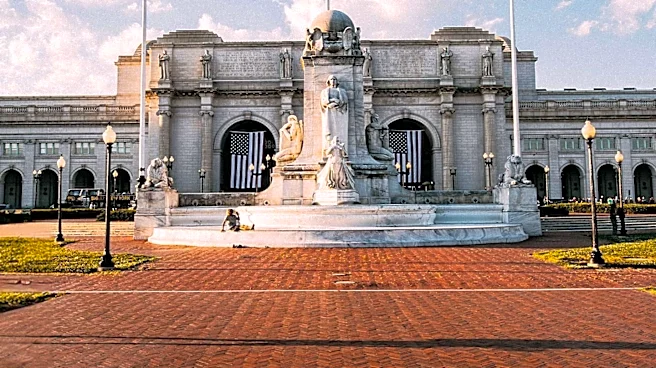
A suspect involved in a shooting in Prince George’s County, Maryland, has been taken into custody near Union Station in Washington D.C. The incident began around 9:10 a.m. on Thursday when Prince George’s County Police responded to a reported shooting in the
5300 block of Sheriff Road. Officers found a man with gunshot wounds, who was subsequently transported to a hospital in critical but stable condition. The suspect then allegedly stole the victim's vehicle and fled into Washington D.C. Another law enforcement agency, whose identity was not specified by the Metropolitan Police Department (MPD), pursued the vehicle into the District. The suspect eventually abandoned the vehicle near Union Station and was apprehended. Eyewitness accounts from a 7News reporter at the scene described authorities rushing from their vehicles, chasing an individual, and instructing bystanders to 'get down, get down' while searching for a weapon. MPD has confirmed that there is no active threat to the D.C. community, though the investigation is ongoing and police indicated there might have been additional individuals in the vehicle.
Why It's Important?
This incident highlights the challenges faced by law enforcement agencies in managing cross-jurisdictional criminal pursuits and the potential for public safety risks in densely populated urban areas. The rapid apprehension of the suspect, despite the cross-state flight and the chaotic scene at a major transportation hub like Union Station, demonstrates effective inter-agency coordination, even if the specific agencies involved beyond MPD are not fully detailed. The event underscores the importance of swift police response and containment strategies to mitigate threats to the public, particularly in high-traffic locations. For residents and commuters in the D.C. metropolitan area, such incidents can raise concerns about safety and security, emphasizing the need for robust law enforcement presence and preparedness. The fact that the suspect was taken into custody without further incident, despite the initial panic and search for a weapon, is crucial for maintaining public trust in law enforcement's ability to handle dynamic and dangerous situations.
What's Next?
The investigation into the shooting and the subsequent pursuit is active and ongoing. Authorities will likely focus on processing the crime scene in Prince George’s County, gathering evidence from the stolen vehicle, and conducting interviews with the suspect and any potential witnesses. The involvement of multiple law enforcement agencies suggests a coordinated effort to piece together the full sequence of events. Further details regarding the suspect's identity, potential motives for the shooting, and the specific charges to be filed are expected to emerge as the investigation progresses. The condition of the shooting victim will also be monitored. Depending on the findings, there may be discussions among law enforcement agencies about refining protocols for cross-jurisdictional pursuits and managing incidents in public spaces like Union Station to ensure continued public safety and efficient response.
Beyond the Headlines
The incident at Union Station, a critical transportation hub, brings to light the broader implications of urban crime spilling into public spaces. Such events can trigger heightened public anxiety and calls for increased security measures in areas frequented by large numbers of people. The 'get down, get down' command from police, as reported by an eyewitness, underscores the immediate and visceral impact such situations have on the public, even when no active threat is ultimately found. This event also subtly touches upon the ongoing debate regarding gun violence and its ripple effects across communities and jurisdictional boundaries. The successful apprehension, while reassuring, does not diminish the underlying concerns about the prevalence of firearms and the potential for violence to erupt unexpectedly. It serves as a stark reminder of the constant vigilance required by law enforcement and the collective responsibility to address the root causes of crime in metropolitan areas.