





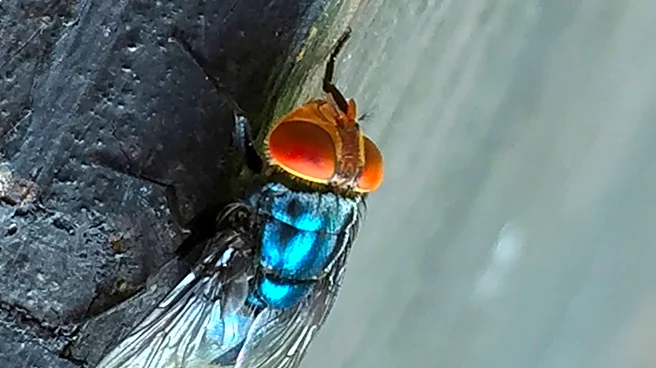
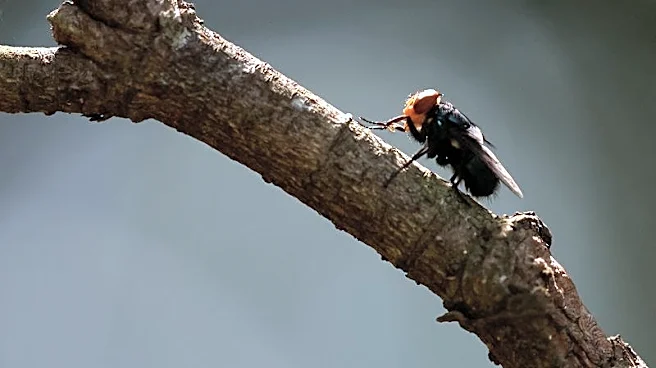
What's Happening?
A screwworm infestation has been confirmed in South Texas, posing a significant threat to the state's cattle industry. The U.S. Department of Agriculture (USDA) has activated personnel to address the outbreak, which could potentially cause $1.8 billion
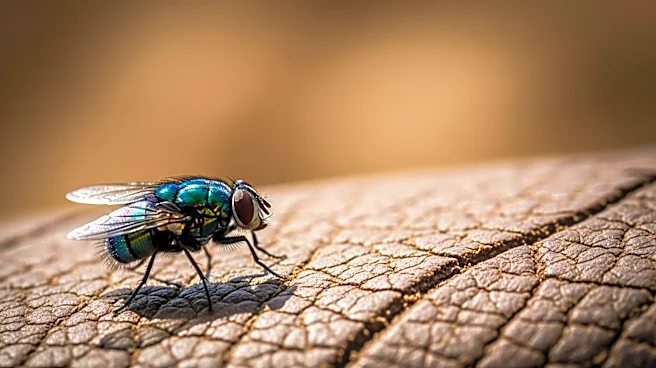
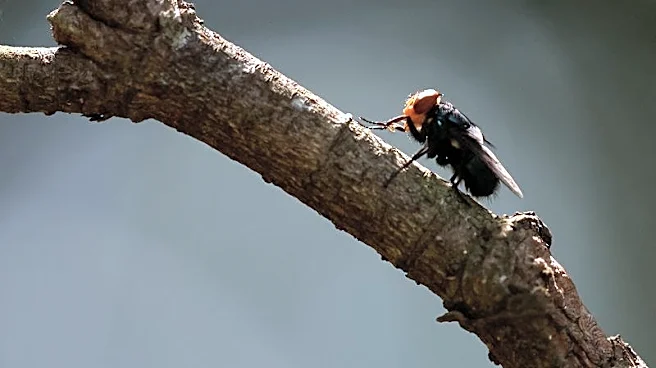
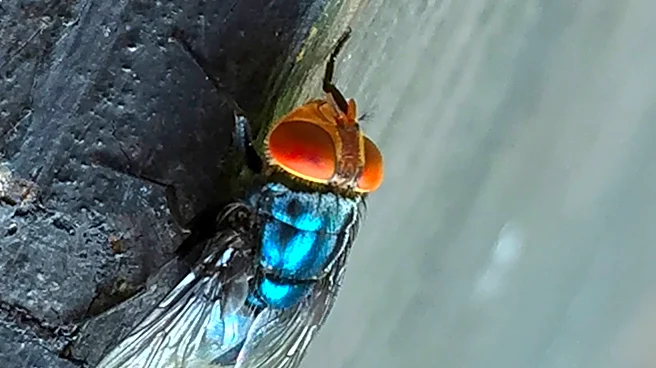
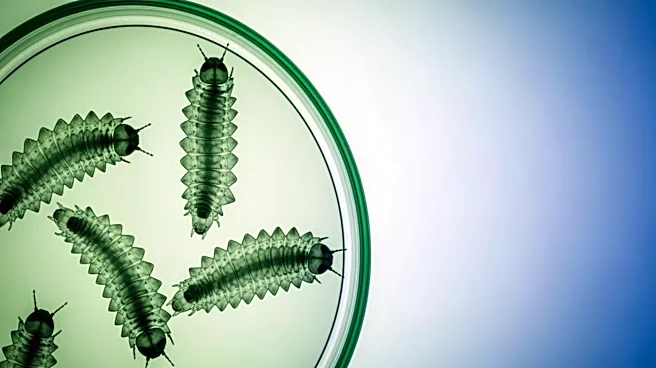
in damage to Texas' economy. The New World screwworm, a parasitic fly, lays eggs in the flesh of living animals, leading to severe tissue damage and potentially fatal outcomes for livestock. The USDA has implemented a quarantine zone and is dispersing sterile flies to control the spread. The infestation has raised concerns about increased beef prices nationwide due to Texas' pivotal role in cattle production.
Why It's Important?
The screwworm outbreak in Texas is critical due to the state's leading position in U.S. cattle production, contributing $15 billion annually. The potential economic impact of $1.8 billion in damages could exacerbate already high beef prices across the country. The infestation also highlights vulnerabilities in livestock management and the need for robust biosecurity measures. The situation underscores the importance of international cooperation in pest control, as the screwworm's spread from Central America into the U.S. was facilitated by human activities. The outbreak serves as a reminder of the interconnectedness of global agricultural systems and the need for vigilant monitoring and rapid response to biological threats.
What's Next?
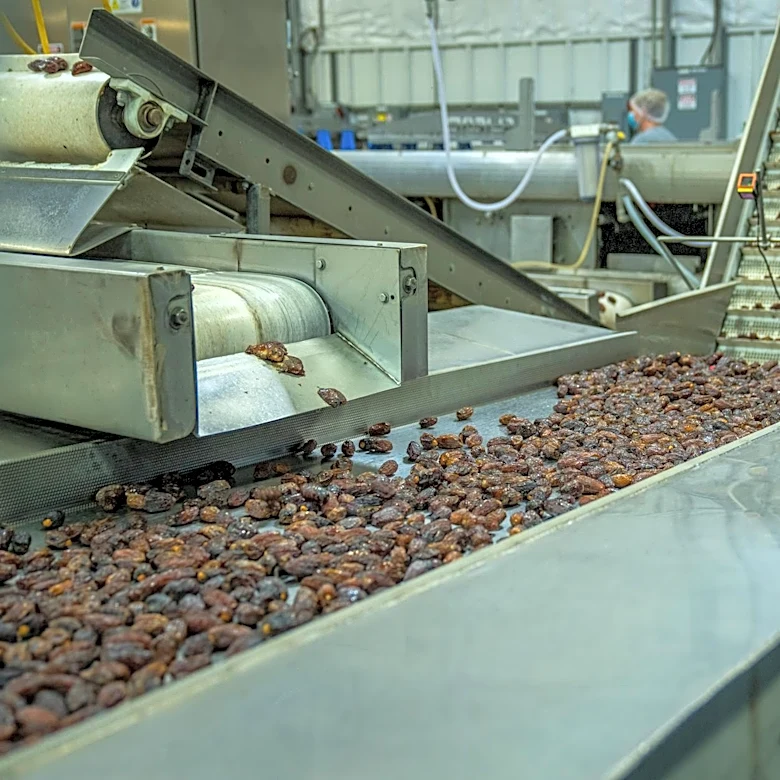
Efforts to control the screwworm outbreak will continue, with the USDA working alongside Mexican and Panamanian officials to eradicate the pest using the sterile fly method. New facilities for sterile fly production and dispersal are being established in Mexico and Texas. The USDA is also increasing surveillance and monitoring of livestock and wildlife in affected areas. The agency's response will be closely watched by stakeholders in the cattle industry, as well as policymakers concerned with agricultural biosecurity. The outcome of these efforts will have significant implications for the future of pest management strategies and the resilience of the U.S. cattle industry.