








What's Happening?
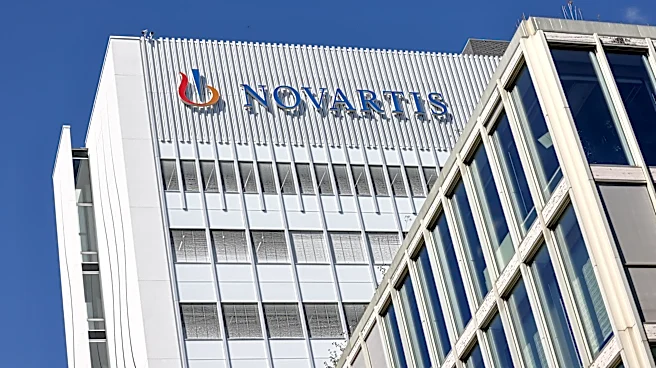
Novartis, in collaboration with Team Consulting, has been nominated for a UX Design Award for their innovative digital platform designed to assist patients with relapsing multiple sclerosis (RMS) in self-administering medication. The platform addresses
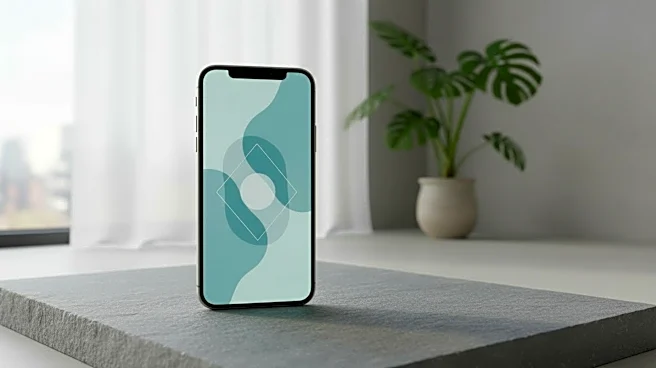
common challenges faced by RMS patients using autoinjector pens, such as inconsistent onboarding and injection anxiety. By providing a mobile-optimized, web-based platform accessible via a QR code on product packaging, Novartis aims to enhance patient confidence and reduce use errors. The platform includes clear written guidance, animated instructional videos, and an interactive virtual practice environment that simulates the injection process. This digital onboarding experience complements existing nurse-led training and approved instructions for use, aiming to improve patient outcomes and reduce the need for repeated in-person training.
Why It's Important?
The development of this digital platform is significant as it represents a shift towards more patient-centric healthcare solutions, particularly for those managing chronic conditions like RMS. By improving the self-injection process, Novartis not only enhances patient confidence and adherence to treatment but also potentially reduces the burden on healthcare systems by minimizing the need for repeated in-person training sessions. This approach aligns with broader healthcare trends emphasizing digital health solutions and patient empowerment. The nomination for a UX Design Award highlights the importance of integrating human factors and behavioral science into healthcare technology, setting a precedent for future innovations in drug delivery and patient support systems.
What's Next?
The winners of the UX Design Award will be announced in September, which could further validate the effectiveness and impact of Novartis's digital platform. If successful, this recognition may encourage other pharmaceutical companies to invest in similar digital solutions, potentially leading to widespread adoption of technology-driven patient support systems. Additionally, the platform's success could prompt further enhancements and expansions, such as incorporating additional languages or adapting the platform for other medical conditions requiring self-administration of medication.