





What's Happening?
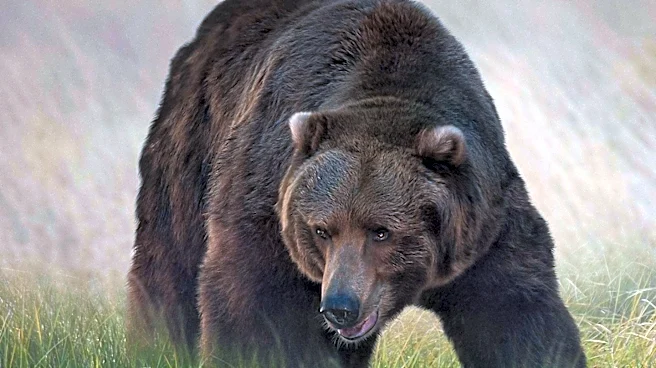
Grizzly bear fatalities in the Yellowstone region have escalated to an unprecedented level this year, with at least 82 deaths recorded. This figure marks a modern record for the area, indicating a significant increase in mortality rates for the grizzly
bear population. The Yellowstone region, known for its robust wildlife, is a critical habitat for these apex predators. The rising number of deaths raises concerns about the factors contributing to this trend and their potential impact on the long-term viability of the grizzly bear population in this vital ecosystem. The specific causes behind this surge in fatalities are not detailed in the provided information, but the sheer volume of deaths points to a pressing issue for wildlife conservation efforts.
Why It's Important?
The record number of grizzly bear deaths in the Yellowstone region is a critical concern for wildlife conservation and ecosystem health in the U.S. Grizzly bears are an iconic species and play a vital role as apex predators in maintaining the ecological balance of their habitats. A significant increase in their mortality rate can have cascading effects throughout the food web and broader ecosystem. This trend could indicate underlying environmental stressors, human-wildlife conflict, or other factors that are negatively impacting the species. For conservationists and wildlife management agencies, understanding and addressing the causes of these deaths is paramount to ensuring the species' recovery and preventing its re-listing under the Endangered Species Act. The Yellowstone region is a flagship area for grizzly bear conservation, and the health of its population is often seen as an indicator of broader environmental well-being.
What's Next?
The immediate next steps will likely involve intensified monitoring and research by wildlife agencies to pinpoint the exact causes of the increased grizzly bear deaths in the Yellowstone region. This could include detailed investigations into each fatality to determine if human-related factors, such as vehicle collisions, poaching, or conflicts with livestock, are primary contributors, or if natural causes like disease or inter-species aggression are playing a larger role. Conservation groups and government bodies will likely review existing management strategies and potentially implement new measures to mitigate risks to the bear population. Public awareness campaigns might also be launched to educate residents and visitors on how to safely coexist with grizzlies and reduce human-bear conflicts. The long-term goal will be to reverse this alarming trend and ensure the sustainable recovery of the grizzly bear population.
Beyond the Headlines
The record grizzly bear deaths in the Yellowstone region highlight the complex challenges of wildlife conservation in increasingly human-dominated landscapes. Beyond the immediate ecological impact, this situation raises deeper questions about land use, human encroachment into wild habitats, and the effectiveness of current conservation policies. It underscores the ongoing tension between human development and the preservation of biodiversity. The ethical implications of human activities contributing to wildlife mortality are also brought to the forefront, prompting a re-evaluation of our responsibility towards endangered and protected species. This trend could also influence future policy decisions regarding hunting quotas, habitat protection, and the management of human access to wilderness areas, potentially setting precedents for wildlife management across other national parks and protected lands in the U.S.