



What's Happening?
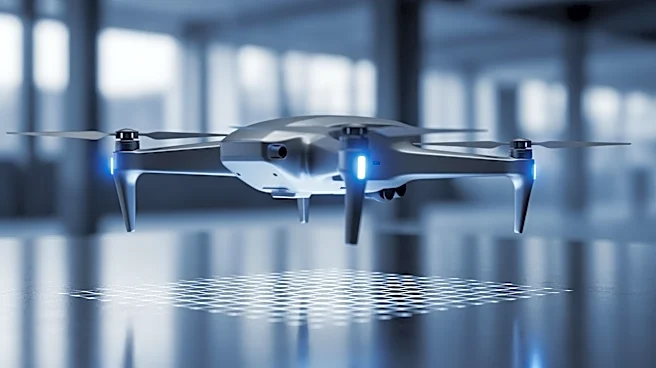
Ukraine has effectively countered Russia's intensified missile and drone attacks with its advanced drone army. During a recent escalation, Russia launched 30 missiles and nearly 1,000 Shahed drones in a single day, but Ukrainian defenses managed to intercept
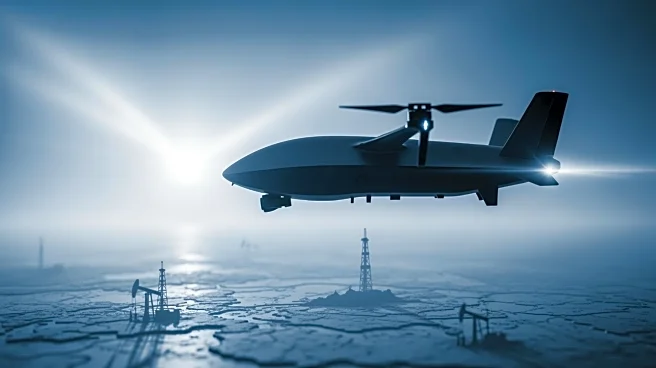
95% of these threats. This success is attributed to Ukraine's innovative use of low-cost interceptor drones. In retaliation, Ukraine has targeted Russian oil export terminals, significantly reducing Russia's oil exports by 40%. This strategic move aims to cut the financial resources available for Russia's military operations. Despite the harsh winter and extensive damage to infrastructure, Ukraine has managed to restore power and maintain resilience, with cities like Kyiv and Kharkiv remaining vibrant.
Why It's Important?
The effectiveness of Ukraine's drone army highlights the significant role of technological innovation in modern warfare. By reducing Russia's oil exports, Ukraine not only impacts Russia's economy but also limits the funding for its military activities. This development underscores the strategic importance of drones in warfare, as they have become crucial in both defense and offensive operations. The situation also reflects the broader geopolitical dynamics, where Ukraine's resilience and strategic counterattacks could influence international support and aid. The reduction in Russian oil exports may also affect global oil markets, potentially leading to shifts in energy prices and supply chains.
What's Next?
Ukraine plans to expand its drone production, aiming to build 7 million drones this year. This expansion could further enhance its defensive capabilities and maintain pressure on Russian forces. Additionally, Ukraine is seeking to strengthen its international alliances, particularly with Gulf states, to secure investments in its drone industry. These developments could lead to increased military and economic support for Ukraine, further bolstering its position in the conflict. Meanwhile, Russia may continue to escalate its attacks, prompting further international diplomatic and economic responses.
Beyond the Headlines
The conflict in Ukraine is reshaping the landscape of modern warfare, with drones playing a pivotal role. This shift raises ethical and legal questions about the use of autonomous weapons and their implications for international law. The situation also highlights the resilience of democratic nations in the face of aggression, potentially inspiring other countries facing similar threats. The ongoing conflict may lead to long-term changes in military strategies and defense policies worldwide, as nations reassess their capabilities and alliances in response to emerging technologies.