
What's Happening?
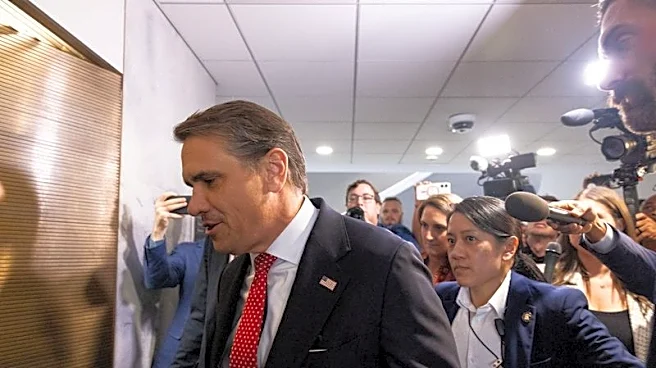
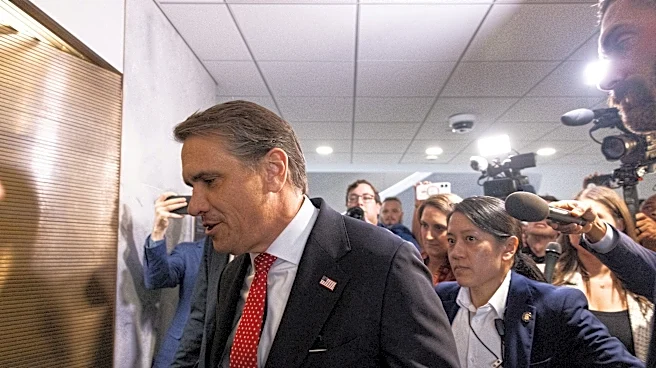
As the Senate approaches its five-week recess, Florida Senator Rick Scott is advocating for the passage of the 'Save America Act' before the break. This bill, supported by President Trump, aims to enhance election security by requiring proof of citizenship
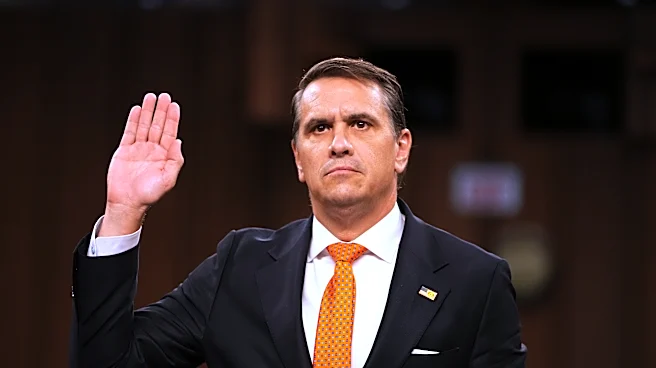
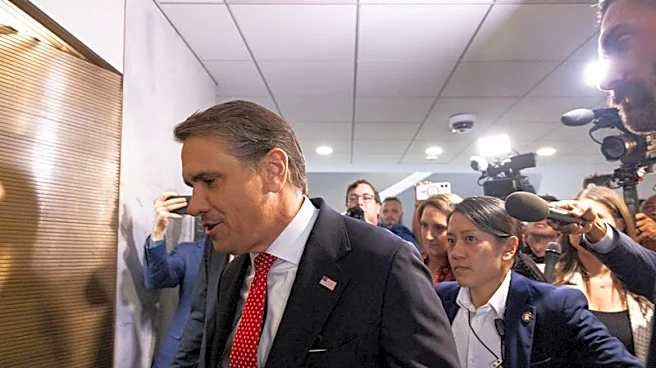
and voter ID for federal elections. Scott suggests using the reconciliation process, already passed in the House, to expedite the bill's approval. The push for the bill comes amid concerns that delaying the recess could impact senators facing tough reelection campaigns, such as Susan Collins of Maine and Dan Sullivan of Alaska. Additionally, the Senate is considering the confirmation of acting Attorney General Todd Blanche, whose actions have been criticized by some senators, including Susan Collins, for undermining the Justice Department's independence.
Why It's Important?
The 'Save America Act' represents a significant effort to tighten election security, a topic of considerable debate in U.S. politics. If passed, the bill could alter the voting process by imposing stricter identification requirements, potentially affecting voter turnout. The debate over the bill also highlights the political dynamics in the Senate, where a narrow Republican majority could influence the confirmation of key positions, such as the Attorney General. The outcome of these discussions could impact the political landscape, particularly with upcoming elections, as it may affect voter access and the balance of power in the Senate.
What's Next?
The Senate's decision on whether to delay the recess will be crucial in determining the timeline for the 'Save America Act'. If the recess is postponed, there may be more time to negotiate and potentially pass the bill. The confirmation of Todd Blanche as Attorney General also hangs in the balance, with some senators expressing opposition. The political maneuvering around these issues will likely continue, with potential implications for the upcoming elections and the broader political climate.