

What's Happening?
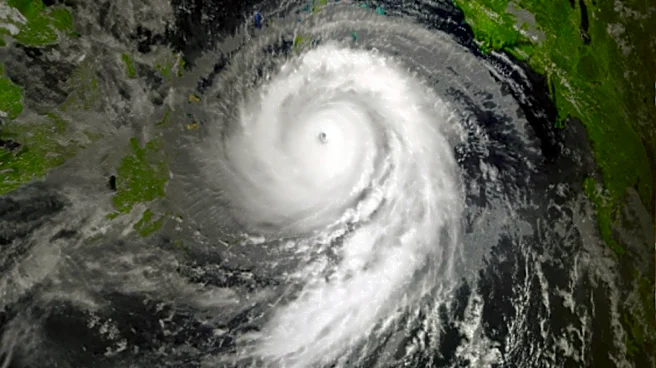
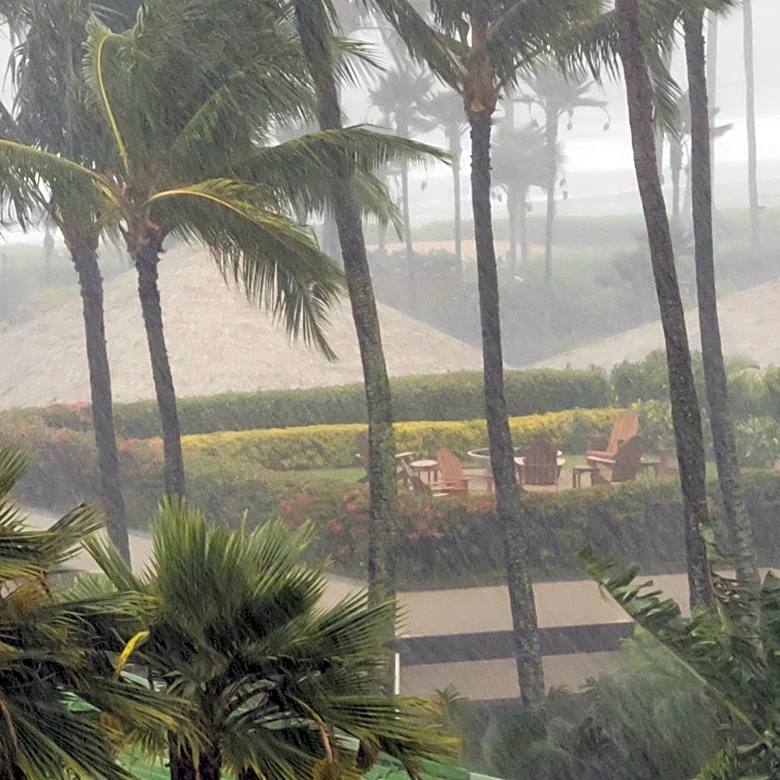
Tropical Storm Lala is approaching Hawaii Island, leading to significant disruptions in air travel across the state. Hawaiian Airlines, Alaska Airlines, and Southwest Airlines have proactively canceled dozens of flights in anticipation of the storm's
impact. On Friday, August 14, five inter-island flights were canceled. For Saturday, August 15, a total of 54 neighbor island flights and 11 transpacific flights were called off. Specific cancellations include all Hilo service for Saturday, totaling 25 flights, and five neighbor island flights from Hilo on Friday afternoon. In Kona, all neighbor island service after 2 p.m. on Saturday and through the evening, along with five Saturday transpacific flights, were canceled. Kahului saw reduced transpacific and neighbor island flying for Saturday, and Lihue had four neighbor island flights canceled. Airlines are working to reaccommodate affected travelers and have issued waivers allowing flexibility to change or cancel flights scheduled from Friday through Sunday. Southwest Airlines is evaluating flights on a case-by-case basis and canceled two Saturday morning flights. In preparation for heavy rains, sandbags were placed in the check-in area at Hilo International Airport, and local radio stations are providing continuous updates to residents.
Why It's Important?
The widespread flight cancellations due to Tropical Storm Lala significantly disrupt travel for both residents and tourists in Hawaii, impacting personal plans, business operations, and the local economy. Hawaii's reliance on air travel for inter-island connectivity and tourism makes it particularly vulnerable to such disruptions. The proactive measures taken by major airlines prioritize passenger safety but come at a considerable cost in terms of operational expenses and lost revenue. This event underscores the critical role of effective weather forecasting and emergency preparedness for the aviation industry and local communities in disaster-prone regions. The need for travelers to constantly monitor flight statuses and for airlines to provide flexible rebooking options highlights the logistical challenges posed by severe weather, affecting thousands of individuals and potentially causing a ripple effect on hotels, car rentals, and other tourism-related businesses.
What's Next?
As Tropical Storm Lala progresses, travelers in Hawaii will need to continue closely monitoring their flight statuses and airline advisories for updates on cancellations and rescheduling. Airlines will focus on reaccommodating the large number of affected passengers and resuming normal operations as soon as weather conditions improve and it is safe to do so. The waivers for flight changes and cancellations will remain in effect for the specified period, providing crucial flexibility for those impacted. Local authorities and emergency services will continue to assess the storm's impact on infrastructure and communities, providing guidance and support to residents. The incident will likely prompt a review of emergency response protocols and communication strategies for future weather events, ensuring coordinated efforts between airlines, airports, and local government agencies to minimize disruption and ensure public safety.
Beyond the Headlines
This event highlights the broader implications of climate change, as the increasing frequency and intensity of tropical storms could necessitate long-term adaptation strategies for vulnerable island regions like Hawaii. The economic ripple effect of such widespread flight cancellations extends beyond the immediate airline industry to impact the entire tourism ecosystem, including hotels, restaurants, and local businesses that depend on visitor traffic. The reliance on air travel for essential goods and services between the Hawaiian islands means that prolonged disruptions could also affect supply chains and access to critical resources. Furthermore, the incident underscores the importance of robust community preparedness and communication systems, as local radio stations play a vital role in disseminating crucial information and fostering resilience among residents facing natural disasters. This collective response is essential for mitigating both the immediate and long-term consequences of severe weather events.