








What's Happening?
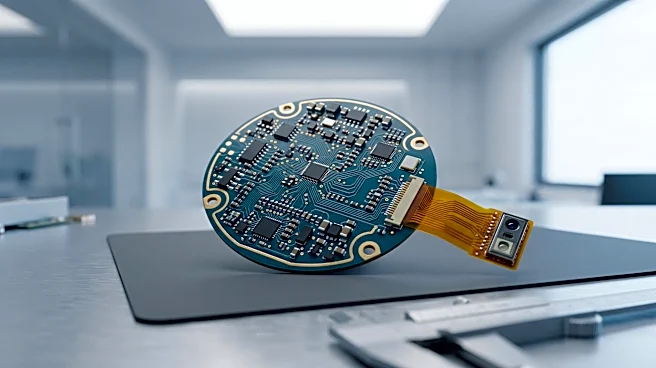
The smart sports wearable market is experiencing a rapid technological transformation, integrating advanced sensors, artificial intelligence (AI), IoT connectivity, smart textiles, and sophisticated analytics into sports technology. These devices are
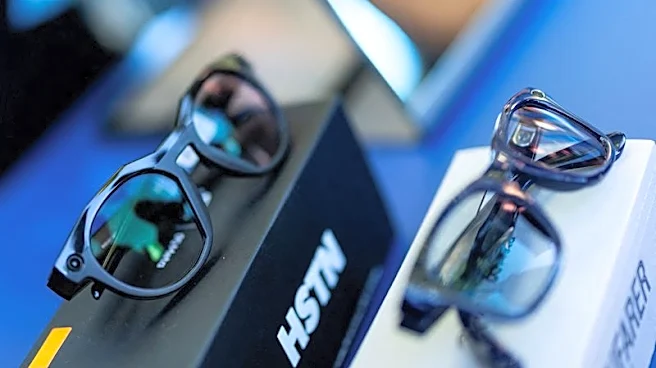
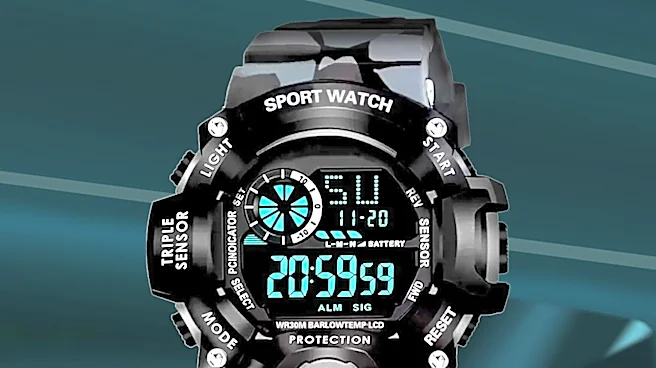
evolving beyond basic activity trackers into intelligent platforms that support fitness monitoring, sports performance analysis, recovery tracking, and personalized digital experiences. Products such as smartwatches, fitness trackers, smart clothing, headwear, and smart shoes are combining sensors, connectivity, software, and analytics into increasingly integrated systems. This evolution is expanding the role of connected devices for both professional and recreational sports enthusiasts. The market is driven by athletes, fitness enthusiasts, and active consumers who are increasingly using these connected devices to gain insights into their performance, health, and training patterns. Key technologies enabling this shift include GPS, accelerometers, gyroscopes, optical sensors, Bluetooth, wireless connectivity, advanced processors, and mobile applications, all working together to collect and interpret various types of sports and fitness data.
Why It's Important?
This technological shift in the smart sports wearable market has significant implications for U.S. industries, particularly in consumer electronics, healthcare, and sports. The integration of AI and advanced sensors allows for more personalized fitness and health insights, moving beyond generic advice to tailored recommendations based on individual patterns and goals. This can lead to improved athletic performance, better health management, and more effective recovery strategies for a wide range of consumers. The expansion into health monitoring, including tracking heart rate, sleep patterns, and blood oxygen levels, blurs the lines between consumer fitness devices and professional healthcare tools, potentially influencing how individuals manage their health and interact with medical professionals. Furthermore, the development of smart clothing and sports-specific devices creates new product categories and market opportunities, fostering innovation and competition among U.S. tech and apparel companies. The growing emphasis on data privacy and security also highlights the increasing importance of robust data protection measures for companies operating in this sector, impacting consumer trust and regulatory compliance.
What's Next?
Future innovations in the smart sports wearable market are expected to focus on enhanced personalization, more sophisticated sensing capabilities, seamless connectivity, and intelligent data interpretation. Devices will likely move towards continuous and context-aware monitoring, providing insights beyond isolated workout measurements. Advances in flexible electronics and smart textiles are anticipated to introduce new wearable formats that are less reliant on traditional hardware designs, offering greater comfort and integration into daily life. AI will remain central to software development, enabling intelligent systems to interpret complex performance information and identify patterns across diverse data types. Augmented reality may also emerge as a new frontier for training, delivering real-time visual information during sports activities. The industry will continue to address challenges such as battery limitations, data privacy, sensor accuracy, and interoperability to maintain user confidence and drive long-term adoption. The integration of hardware and software will be crucial for delivering useful experiences for athletes and fitness enthusiasts, further solidifying the role of smart sports wearables in the digital transformation of sports and wellness.
Beyond the Headlines
The rise of smart sports wearables and their ability to create a 'digital twin' of an individual's body raises profound ethical and societal questions. While these devices offer unprecedented insights into personal health and performance, the collection of highly personal data—including physical activity, location, sleep, and physiological characteristics—necessitates stringent data privacy and cybersecurity protocols. The potential for these digital twins to predict health issues or optimize performance could lead to new forms of discrimination or pressure, particularly in professional sports or health insurance. The accuracy and responsible interpretation of health-related information from consumer devices are critical, as they are not equivalent to clinical diagnostic equipment. This development could also shift societal norms around self-monitoring and personal responsibility for health, potentially creating a culture where individuals are expected to constantly track and optimize their physical well-being. The long-term implications for individual autonomy, data ownership, and the definition of 'normal' health will require careful consideration as this technology becomes more pervasive.