


What's Happening?
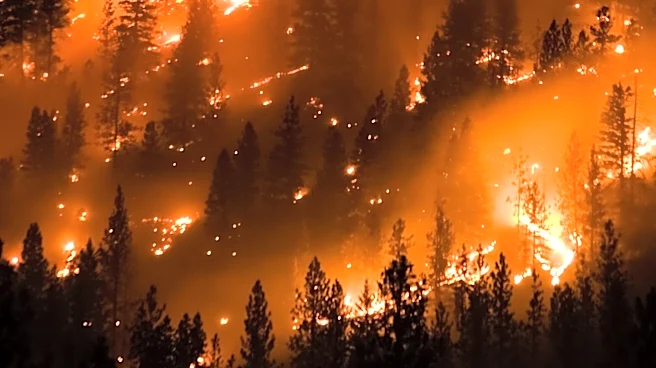
Wildfire litigation has evolved into a multi-billion dollar industry in the U.S., with over $18 billion awarded or agreed to in civil settlements for victims in California, Hawai'i, Colorado, and Oregon since 2017. This year is projected to be one of
the worst on record for U.S. wildfires, with over 9 million acres burned as of October, approximately 1.5 times the decade's average. Utilities like PG&E, PacifiCorp, Xcel Energy, and Southern California Edison have borne the brunt of these claims, often due to equipment igniting fires. For instance, PG&E settled claims for $13.5 billion after its equipment caused the Camp Fire, leading to its bankruptcy. While the number of wildfire ignitions hasn't significantly changed, climate change has made landscapes more flammable, and increased housing in fire-prone areas has amplified property losses. This has led to a surge in lawsuits, with law firms specializing in wildfire litigation and even Wall Street showing interest in financing these cases.
Why It's Important?
The rise of wildfire litigation as a major industry reflects a critical shift in how the U.S. is addressing the escalating costs and damages from wildfires. This trend places significant financial burdens on utility companies, which can lead to increased electricity rates for consumers and potential power shutoffs as companies try to manage risk. It also raises fundamental questions about accountability in a world reshaped by climate change, where the line between a singular ignition source and broader environmental factors becomes blurred. The focus on utility liability, particularly in states with strict liability standards like California, has created a complex legal landscape where victims often rely on a utility being at fault to receive compensation, as insurance companies increasingly withdraw from high-risk areas. This approach may also inadvertently hinder proactive wildfire management strategies, such as prescribed burns, if entities fear increased liability.
What's Next?
The future of wildfire litigation is likely to involve continued debate and potential policy changes. Policymakers are grappling with how much the power sector should bear the costs of a warming world, and some Western states, including California, are considering legislation to provide greater protections to utilities. Utility companies are actively pushing back against the current liability framework, arguing that many factors contribute to wildfire severity beyond just the ignition source. The involvement of Wall Street in financing these lawsuits suggests a growing financial interest in the outcomes, which could further complicate the legal and ethical considerations. There is an ongoing discussion about whether the current litigious approach is sustainable or just, especially given the broader context of climate change and the collective responsibility for its impacts.
Beyond the Headlines
Beyond the immediate financial and legal implications, the booming wildfire litigation industry exposes deeper societal challenges related to climate adaptation and justice. The reliance on lawsuits to compensate victims highlights a gap in comprehensive climate resilience strategies and insurance coverage for communities in fire-prone regions. It also raises ethical questions about assigning singular blame for disasters influenced by complex environmental factors and decades of land management policies. The tension between holding individual entities accountable and acknowledging collective responsibility for climate change impacts is a central theme. This situation underscores the need for a more holistic approach that integrates legal frameworks with proactive climate adaptation measures, community planning, and sustainable land management practices to address the root causes and consequences of intensifying wildfires.