









What's Happening?
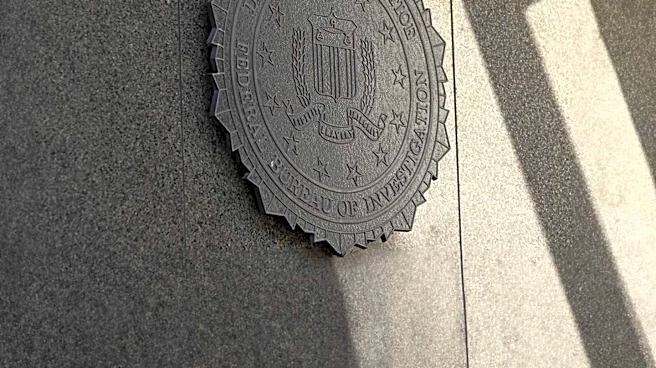
The FBI is currently investigating the potential theft and sale of over 153 million digital scans of drivers' licenses from individuals in the United States and Canada on the dark web. This incident was initially reported by cybersecurity expert Brian
Krebs through his blog, Krebs on Security. Krebs stated that he was able to verify the authenticity of at least nine drivers' licenses advertised for sale on a site called Nexus. Following Krebs' report on September 2, the Nexus site reportedly disappeared from the dark web. The source of this significant data breach remains unclear, but Krebs has indicated that Louisiana-based ID-verification company idscan.net could be a potential origin. Idscan.net provides services to various large organizations, including Hertz, Target, FedEx, and the United States Coast Guard. A spokesperson for idscan.net has confirmed that the company is investigating the issue. USA TODAY has not independently verified Krebs' assertions and has reached out to idscan.net for further comment.
Why It's Important?
This potential data breach carries significant implications for personal security and national cybersecurity. The exposure of millions of drivers' licenses on the dark web could lead to widespread identity theft, fraud, and other malicious activities. Individuals whose data has been compromised may face risks such as unauthorized access to financial accounts, fraudulent loan applications, or even impersonation for criminal purposes. For businesses like FedEx, Target, and Hertz, and government entities such as the United States Coast Guard, which utilize idscan.net's services, the incident raises serious questions about the security protocols of third-party vendors and the protection of sensitive customer and citizen data. The FBI's involvement underscores the severity of the situation, highlighting the growing threat of cybercrime and the need for robust data protection measures across both public and private sectors. The incident could erode public trust in digital identity verification systems and prompt increased scrutiny of data handling practices.
What's Next?
The FBI's investigation into the potential data breach is ongoing, and further details regarding the source and scope of the compromise are expected to emerge. Idscan.net is also conducting its own investigation, which may shed light on how the data was accessed and whether their systems were indeed the point of vulnerability. Depending on the findings, affected individuals may be notified, and recommendations for protective measures against identity theft could be issued. Regulatory bodies may also initiate inquiries into the data security practices of idscan.net and its clients. This incident could also prompt a broader review of data security standards for companies that handle sensitive personal information, particularly those providing services to multiple large organizations. Lawmakers may consider new legislation or strengthen existing regulations to enhance data protection and accountability for data breaches.
Beyond the Headlines
The potential sale of millions of drivers' licenses on the dark web highlights a critical vulnerability in the digital infrastructure that underpins modern identity verification. Beyond the immediate risks of identity theft, such breaches can have long-term societal impacts, fostering a climate of distrust in digital transactions and online services. The reliance of major corporations and government agencies on third-party vendors like idscan.net means that a single point of failure can expose vast amounts of personal data, creating a ripple effect across numerous sectors. This incident underscores the ethical responsibility of companies to not only secure their own systems but also to rigorously vet and monitor the security practices of their partners. It also brings to the forefront the ongoing challenge of combating cybercrime, which often operates across international borders and leverages sophisticated techniques to exploit vulnerabilities, making prosecution and recovery of stolen data exceptionally difficult. The incident serves as a stark reminder of the persistent threat to personal privacy in an increasingly digitized world.