






What's Happening?
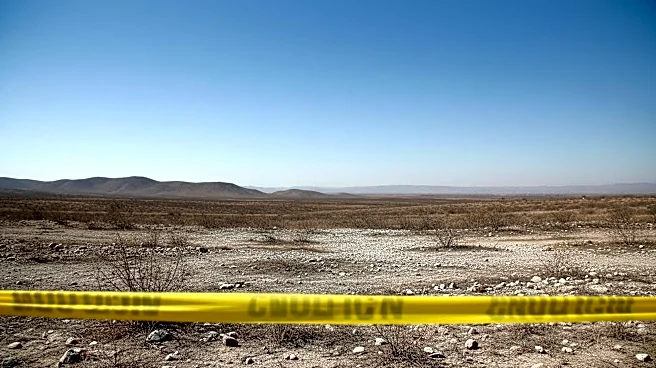
The Mexican Navy announced the seizure of more than 300 improvised explosive devices (IEDs) and approximately 300 kilograms of explosives in a southern municipality of Sinaloa. The discovery was made near Agua Verde, a town in Rosario, during an operation
conducted by navy personnel in conjunction with the federal Security Ministry and the Federal Attorney General’s Office. Specialized personnel from the Navy’s Explosive Devices Search, Location and Neutralization team cordoned off the area and defused the devices on site. No arrests were reported in connection with this discovery. This bust follows a previous seizure of over 550 IEDs in Rosario two months prior, and significant numbers of IEDs have also been found in other parts of Sinaloa, including San Ignacio, Culiacán, and Badiraguato.
Why It's Important?
The substantial seizure of IEDs and explosives highlights the escalating and increasingly sophisticated nature of cartel violence in Mexico, particularly in Sinaloa. The use of such devices by factions like Los Chapitos and Los Mayos of the Sinaloa Cartel, as well as the Jalisco New Generation Cartel (CJNG), signifies a dangerous evolution in their tactics, moving beyond traditional firearms to more destructive and indiscriminate weaponry. This development poses a severe threat to public safety, law enforcement, and regional stability. The Mexican Navy's successful operation underscores the critical efforts being made to counter this threat, but the sheer volume of seized explosives indicates a widespread and deeply entrenched problem that requires sustained and robust intervention to prevent further escalation and protect communities.
What's Next?
The Mexican authorities are expected to continue their operations to locate and neutralize IEDs and other explosive materials, particularly in areas known for cartel activity. The ongoing conflict between the Los Chapitos and Los Mayos factions, which intensified in 2024, suggests that the use of IEDs may persist or even increase as cartels seek to gain an advantage. This will likely necessitate enhanced training and resources for specialized explosive ordnance disposal teams. Furthermore, intelligence efforts will likely focus on identifying the supply chains for these explosives and the individuals responsible for their manufacture and deployment. The lack of arrests in this specific operation indicates that the challenge extends beyond device discovery to dismantling the networks behind their production and use.
Beyond the Headlines
The proliferation of IEDs among Mexican cartels represents a concerning militarization of organized crime, blurring the lines between traditional criminal activity and insurgency-like tactics. This trend has profound implications for the safety of civilians and the operational challenges faced by security forces, who must now contend with threats typically associated with war zones. The use of IEDs to attack homes, businesses, and police suggests a deliberate strategy to instill fear and exert control, undermining the rule of law and social cohesion. This situation also raises questions about the sources of these materials and the potential for international connections in their procurement, highlighting the transnational nature of the threat and the need for international cooperation to address it effectively.