







What's Happening?
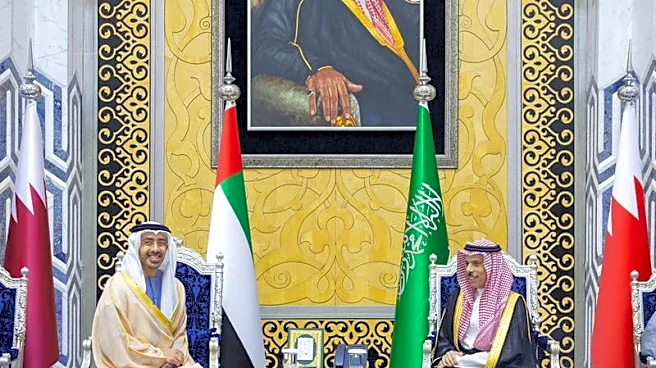
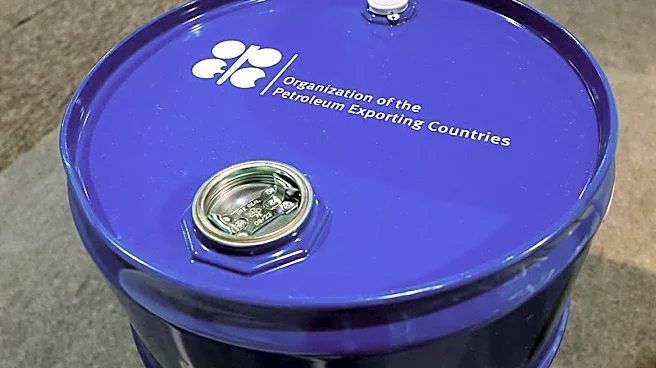
The United Arab Emirates (UAE) has announced its withdrawal from OPEC and OPEC+, citing a focus on national interests and energy strategies. This decision comes at a time when the Iran conflict has caused significant disruptions in global oil supply,
particularly through the Strait of Hormuz. The UAE's exit is expected to weaken the cohesion of the oil-exporting groups and could lead to increased volatility in the global oil market. The move reflects the UAE's desire for greater flexibility in its energy policies and highlights the geopolitical tensions affecting the region.
Why It's Important?
The UAE's departure from OPEC and OPEC+ is a pivotal moment for the global oil market. As a major oil producer, the UAE's decision could lead to shifts in oil prices and impact global energy security. For the U.S., this development may influence domestic energy prices and economic stability, given the country's reliance on oil imports. The move underscores the challenges faced by oil-producing nations in navigating geopolitical tensions and balancing national interests with collective agreements. It also raises questions about the future of OPEC and its ability to influence global oil markets.
What's Next?
The UAE's decision may prompt other OPEC members to reassess their roles within the organization and consider similar moves. The global oil market could experience increased uncertainty as countries adjust to the new dynamics. The U.S. and other major oil consumers may need to explore alternative energy sources and strategies to mitigate potential disruptions. Additionally, the situation could lead to diplomatic efforts to stabilize the region and ensure the security of global energy supplies.