






What's Happening?
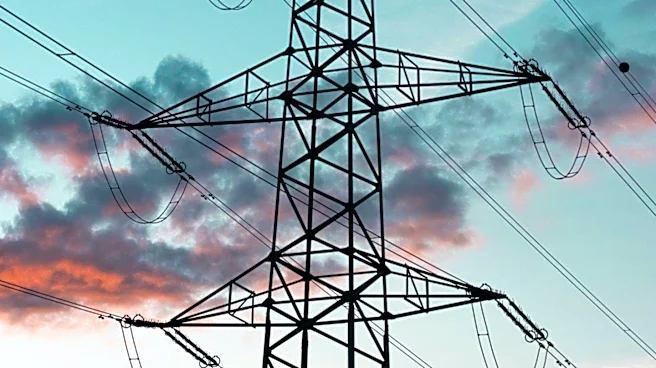
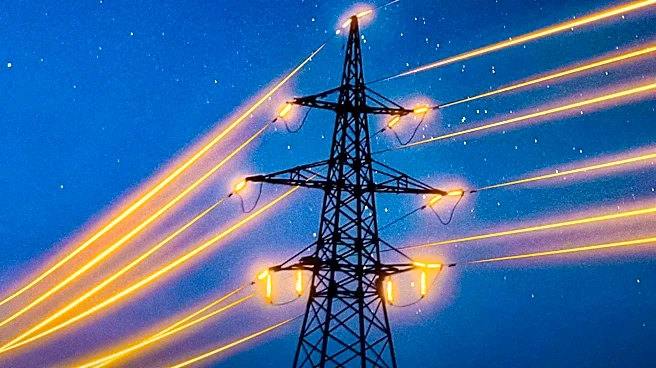
The U.S. Department of Energy has declared an emergency due to a severe heat wave affecting a significant portion of the nation's electrical grid. With 160 million people across 30 states under alert for extreme temperatures, the Department has issued
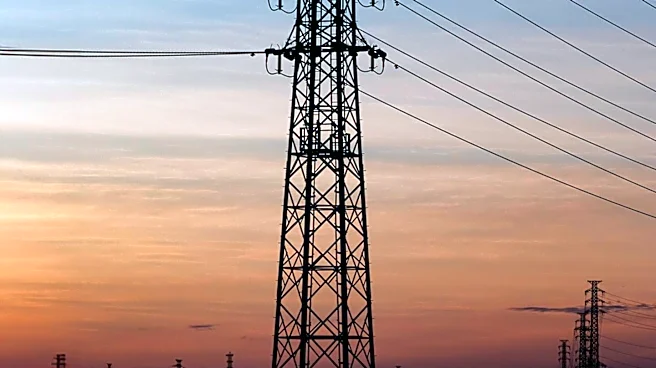
an Energy Emergency Alert. This directive requires PJM Interconnections, the largest electrical grid in the Mid-Atlantic region, to take measures to prevent blackouts and ensure essential services, such as hospitals, remain operational. The heat wave is expected to push electricity demand to record levels, with PJM forecasting a peak demand of 166,304 megawatts, potentially surpassing previous records. Other grid operators, including the New York Independent System Operator and the Midcontinent Independent System Operator, are also preparing for unprecedented demand. The emergency declaration includes measures to conserve energy by reducing power to non-essential facilities with backup generators.
Why It's Important?
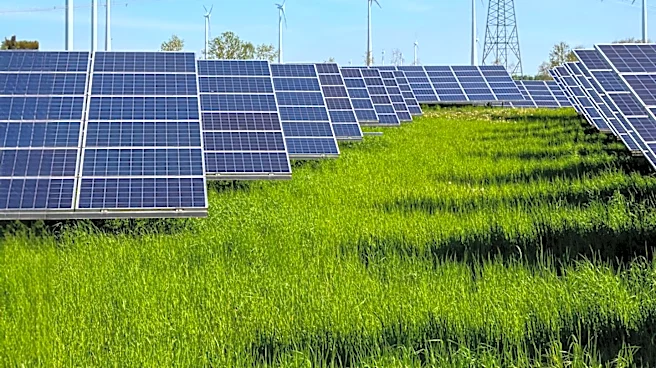
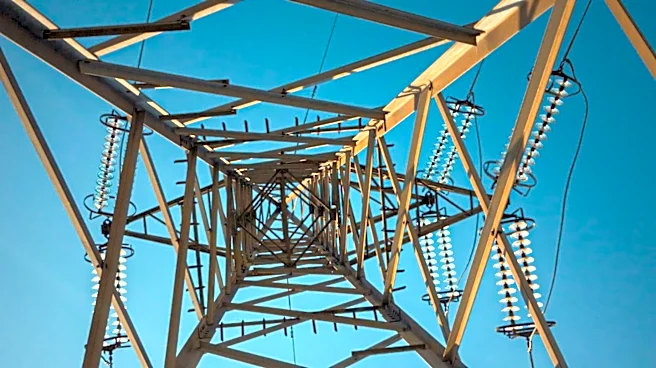
This emergency declaration highlights the vulnerability of the U.S. electrical grid to extreme weather events, particularly as climate change increases the frequency and intensity of such occurrences. The potential for widespread blackouts poses significant risks to public safety and economic stability, especially during a major holiday weekend when energy demand is typically high. The situation underscores the need for investment in grid resilience and renewable energy sources to mitigate the impact of future heat waves. The strain on the grid also raises concerns about the capacity of current infrastructure to handle peak demands, prompting discussions on the necessity of modernizing the electrical grid to ensure reliability and security.
What's Next?
In the immediate term, grid operators will closely monitor conditions and may implement rolling blackouts to manage demand. Long-term, this event may accelerate policy discussions and investments aimed at enhancing grid resilience and expanding renewable energy capacity. Stakeholders, including government agencies, utility companies, and environmental groups, are likely to advocate for increased funding and regulatory support to address the challenges posed by climate change to the nation's energy infrastructure.