






What's Happening?
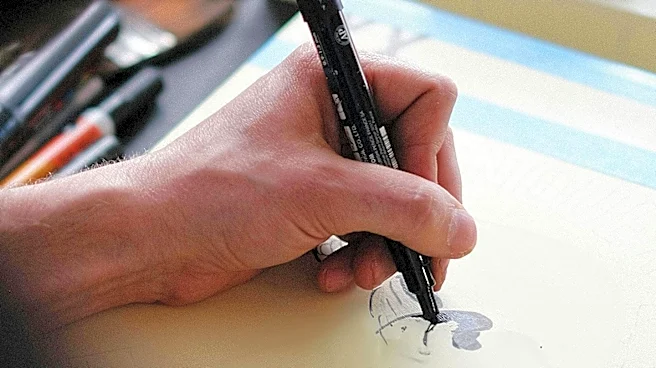
Pat Oliphant, a prominent political cartoonist known for his incisive and often controversial caricatures of political figures, has died at the age of 90. Oliphant passed away at his home in Santa Fe, New Mexico, due to age-related issues, as confirmed
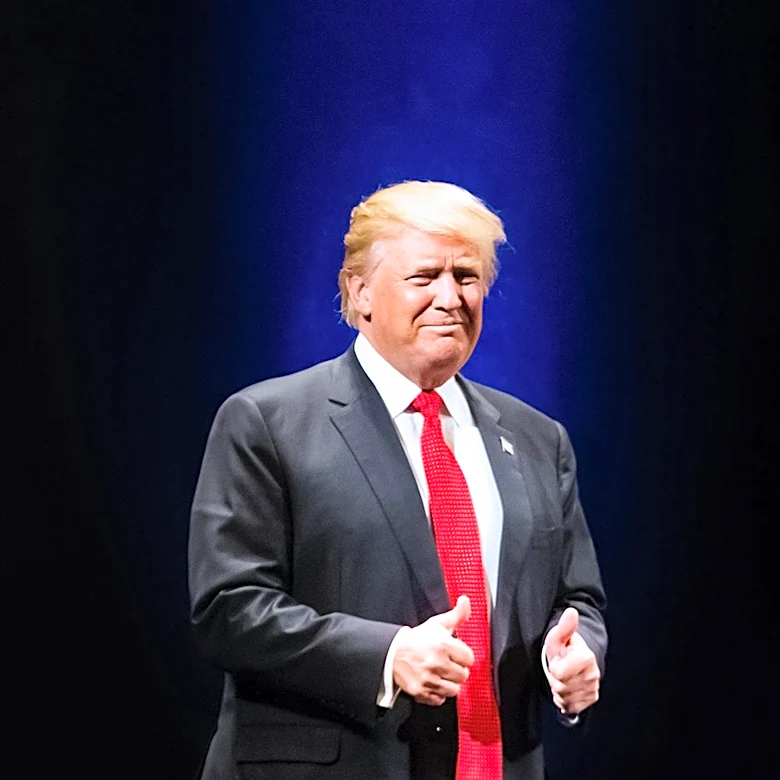
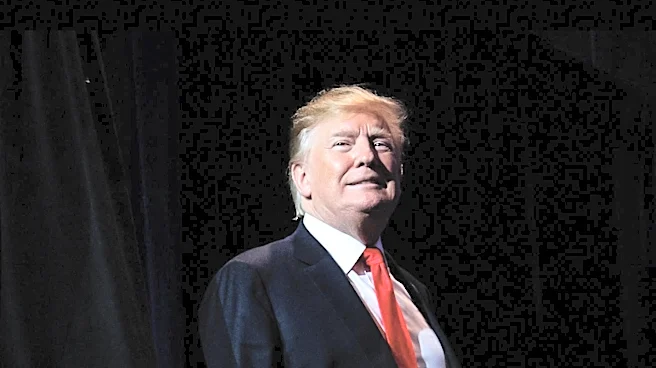
by his son, Grant Oliphant. Over his career, Oliphant became the most syndicated editorial cartoonist in the United States, with his work appearing in over 500 publications globally during the 1980s. His cartoons often targeted powerful figures, including U.S. Presidents from Lyndon B. Johnson to Donald Trump, using humor and sharp observation to critique political and social issues. Despite his acclaim, Oliphant's work sometimes drew criticism for perpetuating ethnic stereotypes, leading to complaints from organizations such as the Asian American Journalists Association.
Why It's Important?
Oliphant's work played a significant role in shaping public discourse by challenging political norms and highlighting injustices through satire. His cartoons provided a platform for political commentary that was both accessible and thought-provoking, influencing public opinion and encouraging debate. In an era where political satire is increasingly scrutinized, Oliphant's legacy underscores the importance of freedom of expression in media. His ability to provoke thought and discussion through art remains relevant, especially in today's polarized political climate. Oliphant's passing marks the end of an era for political cartooning, a field that continues to evolve in response to changing societal attitudes and technological advancements.
What's Next?
The impact of Oliphant's work will likely continue to be felt as new generations of cartoonists draw inspiration from his fearless approach to political satire. As the media landscape changes, the role of political cartoons in shaping public discourse may evolve, potentially leading to new forms of expression that address contemporary issues. The conversation around the balance between satire and sensitivity in media is expected to persist, with Oliphant's work serving as a reference point for discussions on the boundaries of political commentary.
Beyond the Headlines
Oliphant's career highlights the cultural and ethical dimensions of political satire, particularly the tension between artistic freedom and social responsibility. His work often pushed the boundaries of acceptable discourse, prompting debates about the role of satire in addressing sensitive topics. As society grapples with issues of representation and inclusivity, Oliphant's legacy invites reflection on how satire can be used responsibly to challenge power structures without reinforcing harmful stereotypes.