





What's Happening?
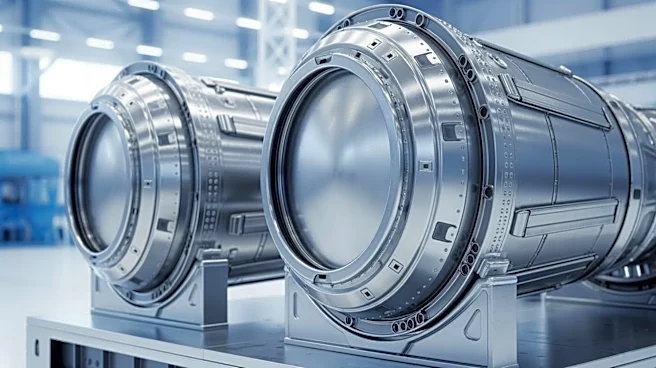
The final booster motor segments for NASA's Space Launch System (SLS) rocket, which will power the Artemis III mission, have been shipped from Northrop Grumman's facility in Utah to NASA's Kennedy Space Center in Florida. These segments will form the twin,
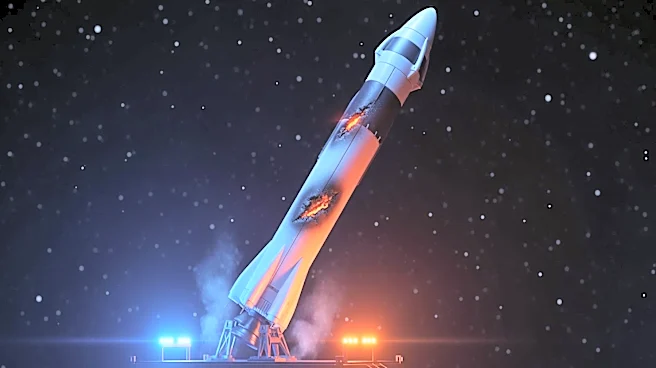
five-segment solid rocket boosters that provide over 75% of the total thrust at liftoff. The Artemis III mission is a critical step in NASA's plan to return humans to the Moon, with the SLS rocket set to launch four astronauts aboard the Orion spacecraft. The mission will test key capabilities needed for future lunar landings.
Why It's Important?
The shipment of the final booster segments marks a significant milestone in the Artemis program, which aims to establish a sustainable human presence on the Moon. The SLS rocket is a cornerstone of NASA's lunar exploration strategy, providing the necessary power to transport astronauts and equipment to the lunar surface. The success of Artemis III will demonstrate the capabilities of the SLS and Orion spacecraft, paving the way for future missions that could include the establishment of a lunar base. This mission is also crucial for testing technologies that will be essential for future Mars exploration.
What's Next?
With the booster segments now at Kennedy Space Center, NASA will proceed with the assembly and integration of the SLS rocket. The Artemis III mission is scheduled to launch in the coming years, with extensive testing and preparations underway to ensure mission success. The mission will involve critical rendezvous and docking operations between the Orion spacecraft and commercial human landing systems, which are essential for delivering astronauts to the lunar surface. The outcomes of Artemis III will inform the planning and execution of subsequent Artemis missions, including potential human landings on Mars.