




What's Happening?
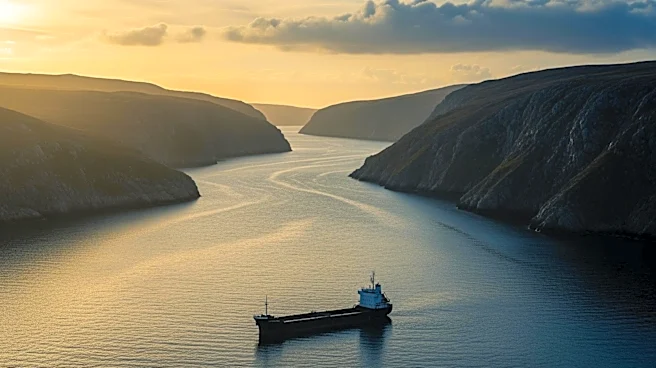
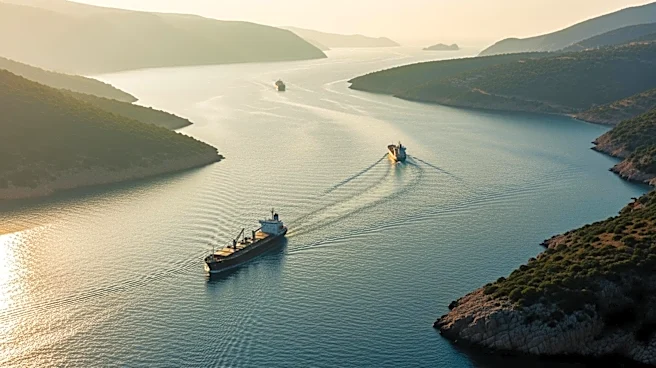
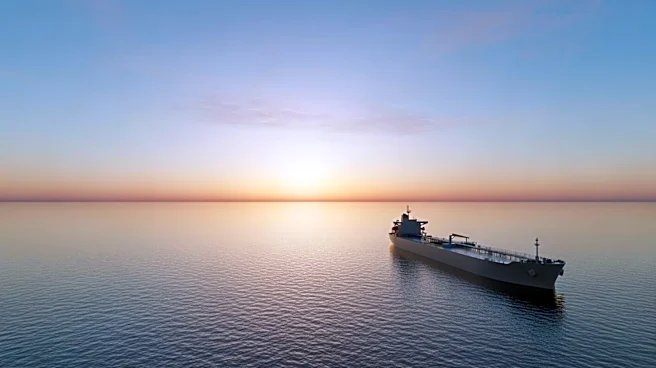
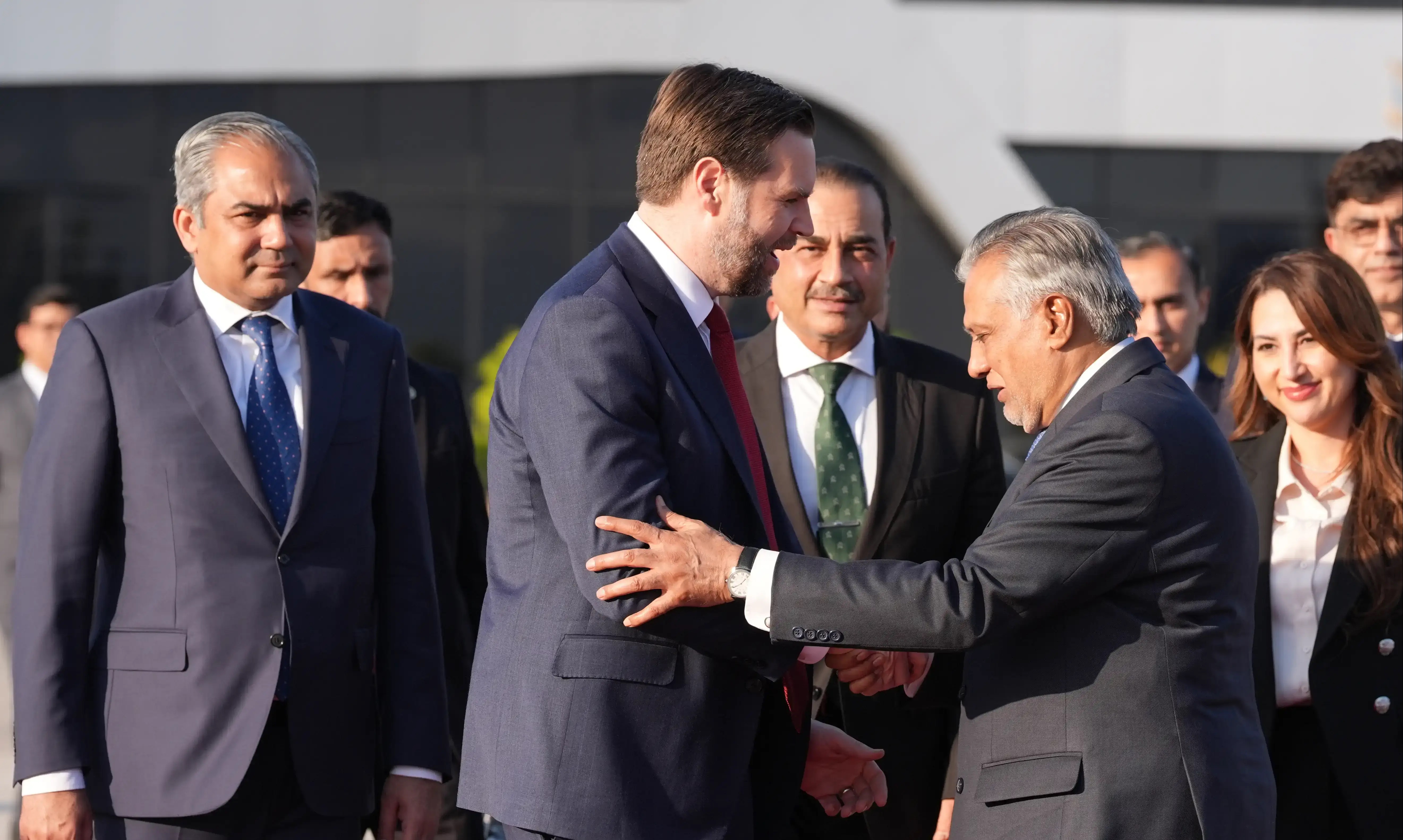
Iran's control over the Strait of Hormuz has become a pivotal issue in the ongoing peace talks with the United States in Islamabad, Pakistan. The strait, a crucial channel for 20% of the world's oil supply, has been partially blocked by Iran, affecting
global energy markets. Iran demands the right to collect tolls from ships passing through, a point of contention in the negotiations. President Trump has expressed mixed views on the tolls, suggesting they could continue as part of a joint venture. The talks aim to transform a temporary ceasefire into a lasting peace agreement, but the strait's status remains a significant hurdle.
Why It's Important?
The control of the Strait of Hormuz by Iran has significant implications for global energy security and economic stability. The strait's blockage has already led to increased oil prices, affecting economies worldwide. The U.S. seeks to reopen the waterway to stabilize markets and ensure the free flow of oil. The situation underscores the strategic importance of the region and the potential for geopolitical conflicts to disrupt global supply chains. The outcome of the talks could influence international relations and energy policies, as countries dependent on oil imports closely monitor developments.
What's Next?
The U.S. and Iran are expected to continue negotiations to resolve the strait's status and other contentious issues. The U.S. may explore diplomatic and economic measures to pressure Iran into compliance. Meanwhile, Iran may leverage its control over the strait to gain concessions. The international community, particularly oil-importing nations, will likely engage in diplomatic efforts to ensure stability in the region. The situation remains fluid, with potential for both resolution and escalation, depending on the diplomatic strategies employed by the involved parties.