






What's Happening?
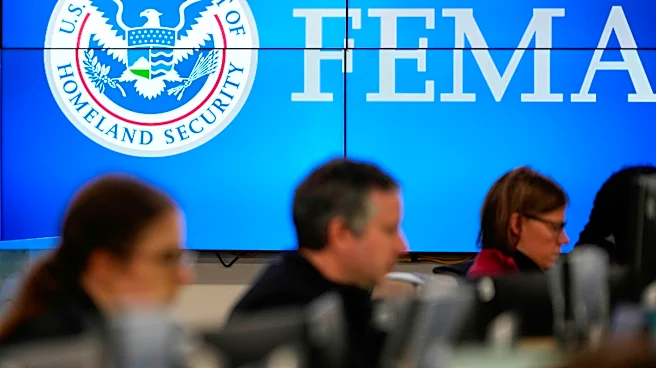
The Trump administration is moving forward with an executive order to create a national voter list, as outlined in a recent Department of Homeland Security (DHS) memo. This initiative is expected to be implemented by June 30, allowing state election officials
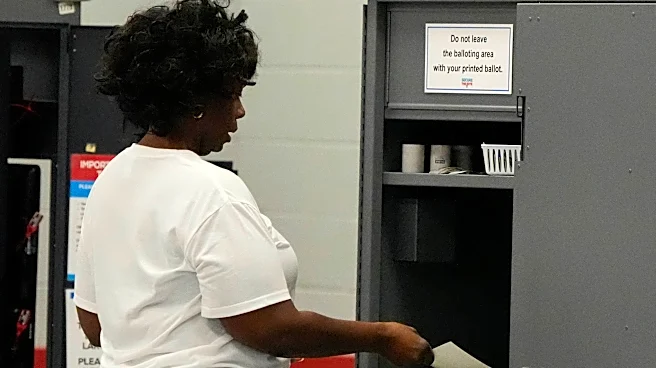
access to citizenship data before voters can verify their own records. The memo indicates that the government does not plan to have a citizen-facing portal ready by this date, potentially leading to errors in voter rolls without immediate recourse for affected individuals. The Democratic Senatorial Campaign Committee (DSCC) has filed a legal challenge against the order, arguing it is unconstitutional and could significantly restrict mail voting by ensuring only those on a federal list receive mail ballots. Despite these concerns, U.S. District Judge Carl Nichols has declined to block the order, stating it is premature to halt the administration's efforts as federal agencies have not yet begun implementation.
Why It's Important?
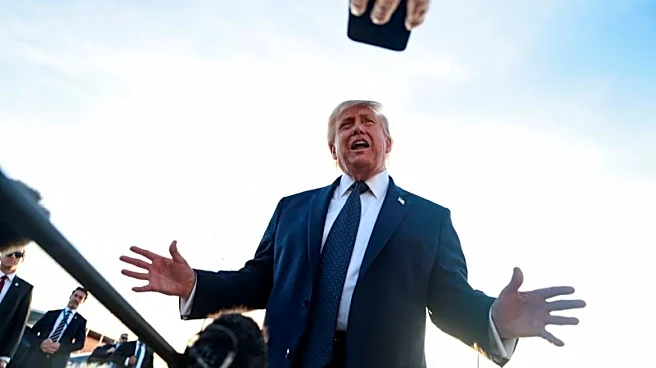
The implementation of this executive order could have significant implications for the upcoming midterm elections by potentially restricting mail voting. The access to citizenship data by state officials before voters can verify their records raises concerns about the accuracy of voter rolls and the potential disenfranchisement of eligible voters. This move aligns with President Trump's broader agenda to tighten voting regulations, which has been met with criticism from voting rights advocates. The legal challenge by the DSCC highlights the constitutional questions surrounding the order and its potential impact on voter access and election integrity. If the order proceeds, it could set a precedent for federal control over state-managed voting processes, affecting the balance of power in election administration.
What's Next?
The legal battle over the executive order is ongoing, with the D.C. Circuit Court of Appeals fast-tracking the DSCC's appeal. The Trump administration and supporting states must respond by June 29, with the plaintiffs' reply due by July 6. As the legal proceedings continue, the administration is actively building the infrastructure to implement the order, which could influence the court's decision. The outcome of this case could have lasting effects on federal and state roles in election management and voter access, particularly concerning mail voting procedures.