


What's Happening?
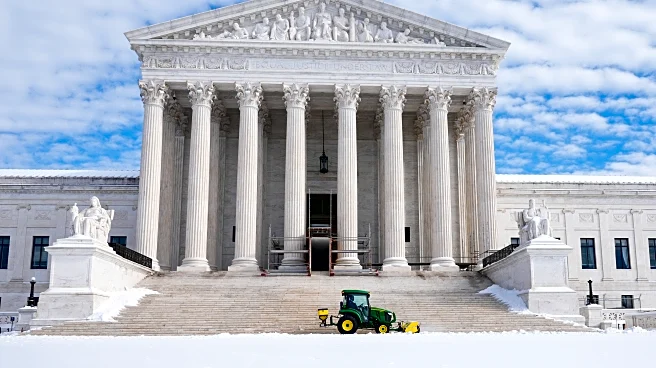
The U.S. Supreme Court has agreed to hear an appeal from Bayer, the global agrochemical company, to block thousands of state lawsuits alleging that its popular weedkiller, Roundup, causes cancer. The core issue is whether the Environmental Protection
Agency's (EPA) approval of Roundup without a cancer warning should preclude state court claims. Bayer, which acquired Roundup maker Monsanto in 2018, disputes the cancer claims but has set aside $16 billion to settle cases. The company faces approximately 181,000 claims, primarily from residential users, and has stopped using glyphosate in Roundup sold in the U.S. residential market. However, glyphosate remains in agricultural products. The Supreme Court's decision to hear the case comes after conflicting lower court rulings, including a Missouri case where a jury awarded $1.25 million to a man who developed non-Hodgkin's lymphoma after using Roundup.
Why It's Important?
The Supreme Court's decision to hear this case is significant as it could set a precedent for how federal and state regulations interact, particularly concerning product liability and consumer safety. If Bayer succeeds, it could limit the ability of individuals to sue companies for damages in state courts when federal agencies have approved a product. This case also highlights the ongoing debate over glyphosate's safety, with potential implications for agricultural practices and environmental health. A ruling in favor of Bayer could impact the legal landscape for other companies facing similar lawsuits, potentially reducing their liability and influencing how products are labeled and marketed in the U.S.
What's Next?
The Supreme Court's decision could influence future regulatory and legal frameworks regarding product safety and consumer protection. If the court rules in favor of Bayer, it may prompt legislative changes at the state level to address perceived gaps in consumer protection. Conversely, a ruling against Bayer could encourage more lawsuits and lead to stricter regulations on chemical products. The case is expected to be argued either in the spring or at the start of the next court term in October, with potential reactions from environmental groups, consumer advocates, and the agricultural industry.