


What's Happening?
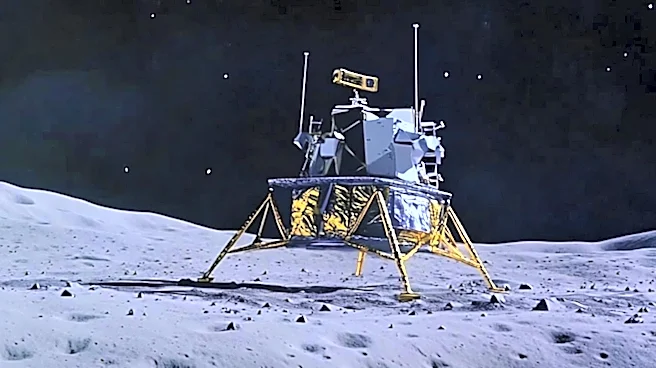
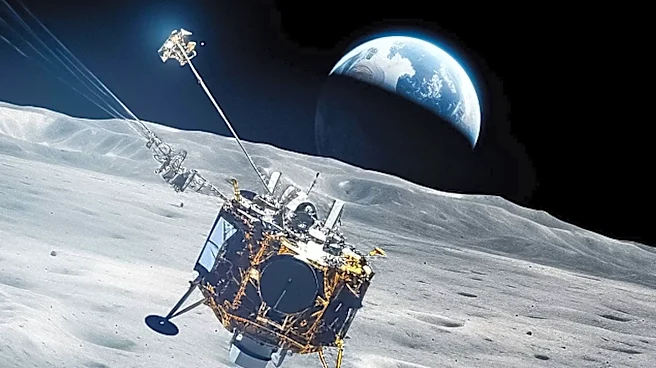
NASA is advancing its lunar exploration capabilities with the development of a new thermal management system called the Variable Thermal Conductivity Metamaterial (VTCM). This system is designed to support small, mobile lunar infrastructure by passively
regulating temperature without the need for external power sources. The VTCM uses a unique internal geometry and material selection to adjust thermal conductivity based on temperature changes, allowing devices to withstand the extreme lunar environment. This innovation aims to enhance the survivability and efficiency of autonomous surveyors on the moon, minimizing the need for additional size, weight, power, and cost.
Why It's Important?
The development of the VTCM is crucial for future lunar missions, as it addresses the challenge of maintaining operational temperatures in the harsh lunar environment. By enabling small devices to function independently without relying on external power, NASA can reduce the logistical and financial burdens associated with lunar exploration. This technology not only supports NASA's long-term goals for sustainable lunar operations but also paves the way for more extensive exploration and potential colonization efforts. The ability to manage thermal conditions effectively is a significant step toward achieving continuous human and robotic presence on the moon.
What's Next?
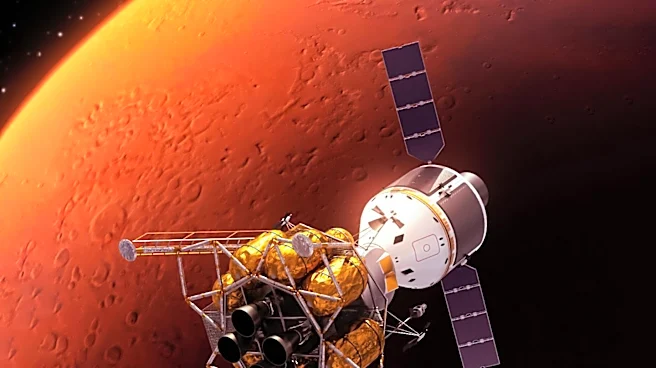
NASA plans to integrate the VTCM into upcoming lunar missions, testing its capabilities in real-world conditions. The success of this technology could lead to its application in other space exploration endeavors, including Mars missions and deep space exploration. As NASA continues to refine and deploy this system, it will likely collaborate with international partners and private companies to expand its use and improve its efficiency. The ongoing development of such technologies is essential for the future of space exploration and the establishment of a permanent human presence beyond Earth.