







What's Happening?
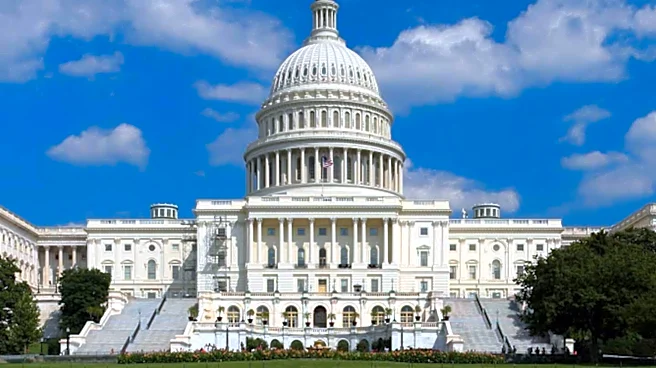
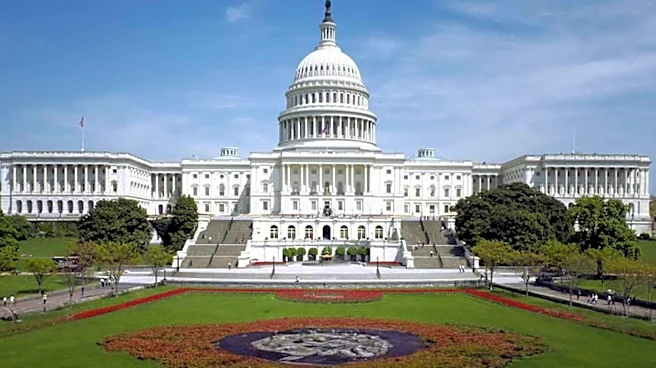
There is strong bipartisan consensus in the U.S. Congress regarding the prohibition of goods made with forced labor from entering the country. The Uyghur Forced Labor Prevention Act (UFLPA), which passed the House with a vote of 428 to 1, exemplifies
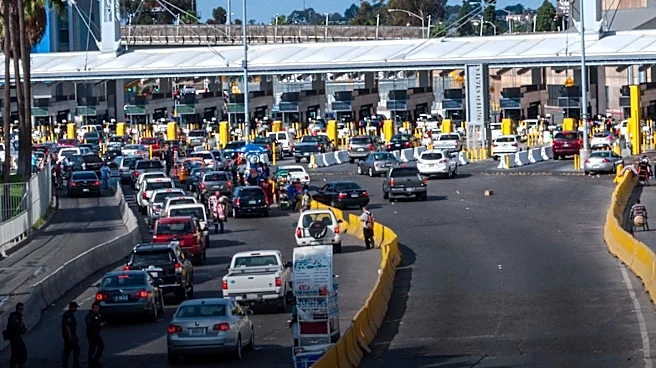
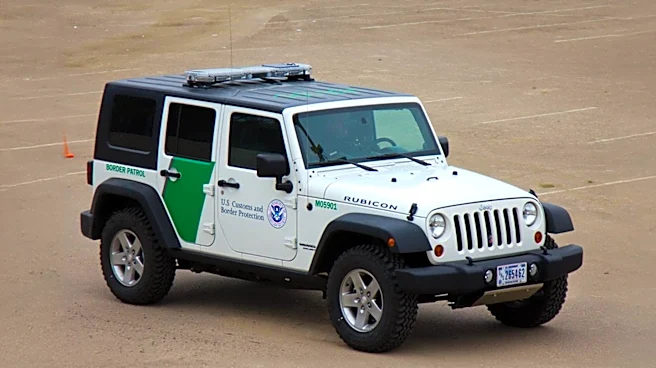
this agreement. The current focus is on ensuring that the enforcement of this import ban is fully funded and that continuous pressure is maintained to prevent such goods from reaching U.S. markets. This initiative aims to protect both victims of forced labor and honest domestic producers who adhere to ethical manufacturing standards. The U.S. Customs and Border Protection (CBP) is tasked with detaining goods presumed to be made with forced labor, particularly those from China's Xinjiang Uyghur Autonomous Region, unless importers can provide verifiable supply-chain evidence to the contrary.
Why It's Important?
This legislative push is vital for several reasons. Firstly, it reinforces the U.S. commitment to human rights by actively combating modern slavery and forced labor practices globally. Secondly, it creates a more level playing field for U.S. businesses by preventing foreign competitors from gaining an unfair advantage through exploitative labor practices. Industries such as apparel, textiles, solar, and automotive are particularly affected, as they often have complex international supply chains. The effective enforcement of these bans can lead to increased transparency and accountability within global trade, encouraging companies to scrutinize their sourcing practices more rigorously. The bipartisan support also signals a unified national stance on ethical trade, which can influence international norms and practices.
What's Next?
The immediate next step involves securing full funding for the customs enforcement agencies, such as CBP, to effectively implement and monitor the forced labor import bans. This includes providing resources for investigations, supply-chain analysis, and the processing of detained goods. Lawmakers will likely continue to advocate for robust enforcement mechanisms and may explore additional legislative measures to strengthen these protections. Businesses importing goods from regions identified as high-risk for forced labor will need to maintain heightened vigilance and invest in comprehensive supply chain mapping and due diligence to avoid disruptions and penalties. The ongoing pressure from Congress suggests that compliance will remain a high priority for international trade.
Beyond the Headlines
Beyond the direct economic and human rights implications, the emphasis on fully funding and enforcing forced labor bans reflects a broader shift in U.S. trade policy towards ethical considerations. This approach challenges the traditional focus solely on economic efficiency, integrating social responsibility into trade agreements and enforcement. It also highlights the increasing role of consumer awareness and advocacy in shaping legislative priorities, as public demand for ethically sourced products grows. The long-term impact could be a significant re-evaluation of global manufacturing practices, pushing companies to prioritize human dignity and fair labor standards throughout their operations, potentially leading to more resilient and ethically sound supply chains worldwide.