






What's Happening?
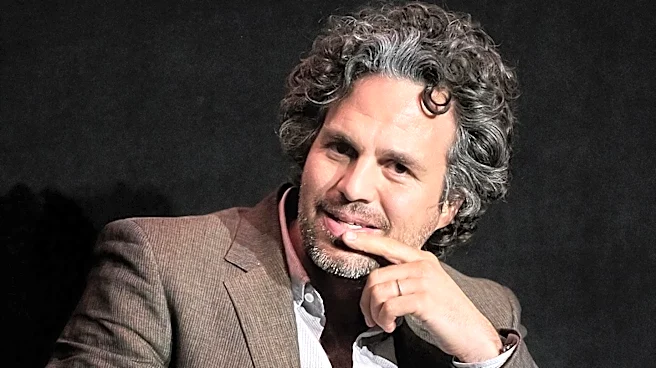
Mark Ruffalo, a prominent Hollywood actor known for his role as Bruce Banner/Hulk in the Marvel Cinematic Universe, has been actively involved in environmental activism, particularly against hydraulic fracturing, or 'fracking,' for nearly two decades.
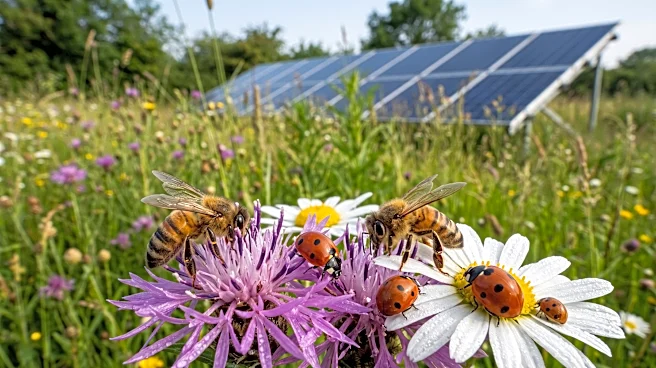
Ruffalo, who resides on a 20-hectare property in Callicoon, New York, has used his platform to advocate for the prohibition of this gas extraction method. His activism extends to converting his own home into an ecological space utilizing solar energy and organic farming methods. The actor's efforts were instrumental in the 2014 ban of hydraulic fracturing by former Governor Andrew Cuomo in New York. More recently, in 2024, Ruffalo promoted new legislation to address a variant of fracking that uses pressurized carbon dioxide, which previously fell into a legal loophole. His commitment stems from concerns about the environmental and public health impacts of fracking, including groundwater contamination, air pollution, and potential seismic activity, as highlighted by a U.S. Environmental Protection Agency study.
Why It's Important?
Mark Ruffalo's sustained activism against fracking holds significant importance for environmental policy and public health in the U.S. His celebrity status amplifies the message, bringing broader attention to the controversial gas extraction technique. The U.S. is a major proponent of fracking, making advocacy against it particularly impactful. The environmental concerns associated with fracking, such as groundwater contamination, air pollution, and induced seismicity, directly affect communities and ecosystems. Ruffalo's efforts to close legal loopholes, such as those concerning carbon dioxide-based fracking, are crucial for comprehensive environmental protection. His work empowers local communities and farmers by offering support and alternative ecological solutions, demonstrating how individual action, especially from public figures, can influence policy and raise awareness about critical environmental issues, potentially leading to stricter regulations and a shift towards more sustainable energy practices.
What's Next?
Following Mark Ruffalo's continued advocacy, the focus will likely remain on legislative efforts to further regulate or prohibit fracking, particularly new or less-understood variants like carbon dioxide-based fracking. The push for new legislation in 2024 suggests an ongoing battle to close any remaining legal loopholes that could allow such practices. Stakeholders, including environmental groups, local communities, and potentially the energy industry, will likely continue to engage in debates and lobbying efforts surrounding these regulations. Ruffalo's involvement could inspire other public figures and citizens to join the cause, potentially leading to increased public pressure on lawmakers. The long-term goal for activists like Ruffalo is a complete ban on fracking, which would necessitate a shift towards alternative energy sources and more sustainable practices across the U.S. The success of these future efforts will depend on sustained public engagement and political will.
Beyond the Headlines
Mark Ruffalo's activism against fracking transcends immediate policy changes, touching upon deeper ethical and cultural dimensions regarding environmental responsibility and the role of celebrity in social movements. His decision to live a less glamorous life in rural New York and dedicate his resources to environmental causes challenges conventional notions of success and influence in Hollywood. This commitment highlights a growing trend where public figures leverage their platforms not just for awareness but for direct action and legislative change. The controversy surrounding fracking also brings to light the tension between economic development and environmental preservation, forcing a societal reckoning with the true costs of energy independence. Ruffalo's efforts underscore the ethical imperative to protect natural resources and public health, particularly for future generations, and demonstrate how individual choices can contribute to a broader cultural shift towards sustainability and ecological consciousness.