







What's Happening?
Texas Governor Greg Abbott has mandated a comprehensive audit of the data center interconnection queue managed by the Public Utility Commission of Texas (PUCT) and the Electric Reliability Council of Texas (ERCOT). The audit aims to ensure compliance
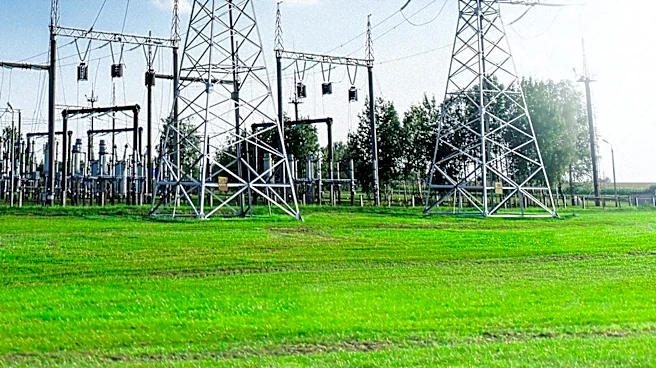
with state laws regarding ownership, financial, water, and community-impact disclosures. Abbott's directive comes as the interconnection queue has reached 474 GW, with data centers comprising about 90% of this load. The governor expressed concerns that this unprecedented growth could threaten the reliability and stability of Texas's electric grid. Abbott emphasized that projects failing to meet compliance requirements should be denied grid access to prioritize Texans' safety and quality of life.
Why It's Important?
The audit reflects growing concerns about the impact of data centers on Texas's electric grid, which is already under pressure from record electricity demand. Ensuring compliance with state regulations is crucial to maintaining grid stability and preventing potential blackouts. The directive also highlights the need for transparency and accountability in the rapidly expanding data center industry. By enforcing stricter compliance measures, Texas aims to protect residential ratepayers from bearing the costs associated with large data center loads. This move could set a precedent for other states facing similar challenges with data center growth and grid reliability.
What's Next?
The PUCT and ERCOT are expected to conduct the audit and report their findings, which could lead to stricter regulations and compliance measures for data centers. The outcome of the audit may influence future policy decisions regarding data center interconnections and grid management. Additionally, the audit could prompt data center operators to reassess their compliance strategies and infrastructure investments to align with state requirements. Stakeholders, including data center operators and utility companies, will likely monitor the audit's progress and outcomes closely, as it could impact their operations and future projects.