






What's Happening?
The U.S. train network map is undergoing significant shifts, driven by increased interest in sustainable transit and the nostalgic appeal of 'slow travel.' Amtrak, the national passenger railroad, connects over 500 destinations across 46 states, with
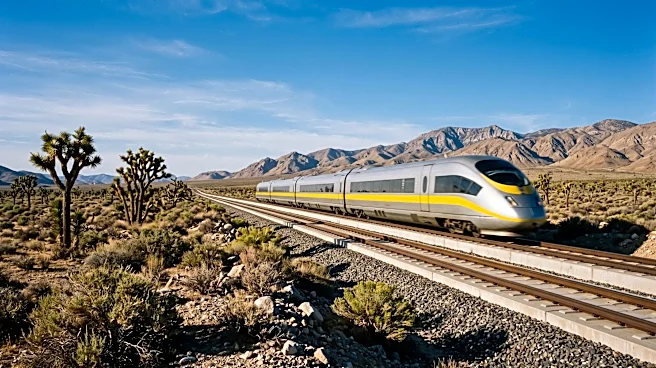
its network divided into the busy Northeast Corridor, state-supported routes, and long-distance lines. Notable long-distance routes include the California Zephyr, which traverses the Rockies and Sierra Nevada, the Empire Builder along the northern border through Glacier National Park, and the Southwest Chief through the red rock country. In the East, the Cardinal route offers a journey through the New River Gorge in West Virginia, often referred to as the 'Grand Canyon of the East.' High-speed rail development, historically lagging behind other regions, is now focusing on 'high-potential' corridors. Private rail providers like Brightline have successfully launched higher-speed services, such as the one connecting Miami to Orlando, and the upcoming Brightline West project aims to link Las Vegas to Southern California with trains reaching speeds of up to 200 mph. The Federal Railroad Administration (FRA) and Amtrak have also released ambitious '2035 Vision' maps, proposing new routes and enhanced frequencies, supported by billions of dollars from the Bipartisan Infrastructure Law.
Why It's Important?
The evolving U.S. train network is important for several reasons, impacting both the economy and society. The push for sustainable transit and 'slow travel' reflects a growing consumer preference for environmentally conscious and experiential journeys, which could boost regional tourism and local economies along train routes. The development of high-speed rail corridors, particularly projects like Brightline West, signifies a potential transformation in intercity travel, offering faster and more efficient alternatives to air and car travel. This could alleviate highway congestion, reduce carbon footprints, and stimulate economic growth in connected regions. Federal investments through the Bipartisan Infrastructure Law underscore a national commitment to modernizing infrastructure, which can create jobs, improve connectivity, and enhance the overall competitiveness of U.S. transportation systems. The distinction between passenger and freight rail, where Amtrak largely operates on privately owned freight tracks, highlights a critical challenge in ensuring timely passenger service. Efforts to build dedicated passenger tracks aim to mitigate delays and improve reliability, which is crucial for attracting more travelers and realizing the full potential of an expanded rail network.
What's Next?
The U.S. train network is poised for continued expansion and modernization, with several key developments on the horizon. The '2035 Vision' maps from the FRA and Amtrak outline proposed high-speed corridors, including the 'Texas Triangle' and an enhanced Cascadia corridor, indicating future areas of focus for infrastructure development. The Bipartisan Infrastructure Law's allocated billions will be instrumental in funding these projects, aiming to eliminate bottlenecks, upgrade existing infrastructure, and bring high-speed rail to regions like the California Central Valley. The Brightline West project, connecting Las Vegas to Southern California, is expected to become one of the first true high-speed rail links in the country, with trains reaching speeds of up to 200 mph. This project will serve as a significant test case for private sector involvement in high-speed rail. Travelers can anticipate more frequent departures and enhanced services as these plans materialize. The ongoing efforts to build dedicated passenger tracks will also be crucial in improving the reliability and efficiency of passenger rail, potentially leading to a more seamless travel experience and increased ridership across the nation.
Beyond the Headlines
Beyond the immediate benefits of improved travel times and expanded routes, the transformation of the U.S. train network carries deeper implications for national identity and regional development. The emphasis on 'slow travel' and scenic routes taps into a cultural desire for more immersive and reflective experiences, potentially fostering a renewed appreciation for American geography and heritage. The shift towards more sustainable transit options aligns with broader environmental goals, positioning rail as a key component in reducing the nation's carbon footprint and combating climate change. Furthermore, the significant federal investment in rail infrastructure could serve as a model for public-private partnerships, demonstrating how collaborative efforts can drive large-scale national projects. The success of private ventures like Brightline could encourage further private investment in transportation, potentially accelerating the pace of innovation and development. Addressing the historical challenges of shared tracks with freight lines will also necessitate innovative solutions and policy adjustments, potentially leading to a more integrated and efficient national transportation system that balances economic needs with passenger convenience. This evolution could redefine how Americans perceive and utilize domestic travel, fostering greater connectivity and regional integration.