




What's Happening?
AlUla, Saudi Arabia, is rapidly developing into a significant destination for outdoor and cultural tourism, offering a blend of ancient heritage and diverse outdoor experiences. The region's landscape features sandstone formations, desert valleys, and archaeological
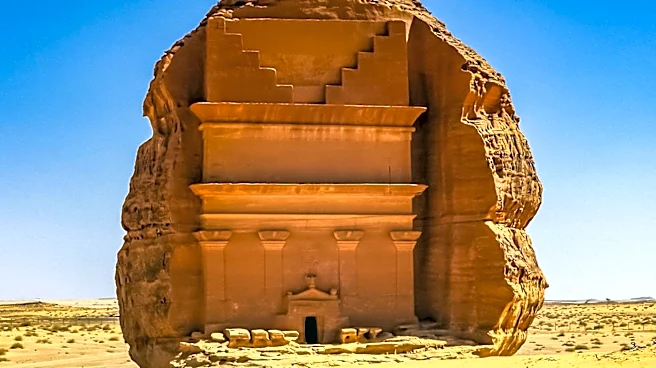
sites, most notably Hegra, Saudi Arabia’s first UNESCO World Heritage Site. Visitors can explore monumental tombs and archaeological areas, alongside engaging in desert activities such as guided excursions, hiking, photography, stargazing, and overnight camping. The area also provides various accommodation options, including hotels and camps, to support these experiences. Beyond the desert, AlUla's tourism expansion includes mountain regions like Asir and Tabuk, and marine adventures along the Red Sea, with opportunities for diving, snorkeling, and marine sightseeing. This development is part of Saudi Arabia's Vision 2030, which aims to broaden the Kingdom's tourism offerings beyond luxury resorts to include nature, adventure, and cultural destinations.
Why It's Important?
The transformation of AlUla into a major tourism hub is a crucial component of Saudi Arabia's Vision 2030, a strategic framework to reduce the country's reliance on oil and diversify its economy. By leveraging its unique natural landscapes and rich archaeological heritage, Saudi Arabia is positioning itself as a global destination for cultural and adventure tourism. This initiative is expected to attract a significant number of international and domestic tourists, with figures showing approximately 123 million tourists in 2025. The expansion of tourism infrastructure and services in regions like AlUla, Asir, Tabuk, and the Red Sea will create new economic opportunities, stimulate local businesses, and generate employment. It also promotes the preservation and showcasing of Saudi Arabia's historical and natural assets, contributing to a broader understanding and appreciation of its cultural identity on a global scale. The focus on sustainable tourism practices is also vital for protecting these sensitive environments and heritage sites.
What's Next?
Saudi Arabia is expected to continue investing heavily in tourism infrastructure and promotional campaigns to further establish AlUla and other regions as premier travel destinations. This includes the development of more diverse accommodation options, guided tour services, and transportation networks to connect various attractions. The ongoing integration of cultural events, such as art festivals, with natural and archaeological sites will likely enhance the visitor experience and attract a wider audience. Efforts will also focus on engaging local communities in the tourism economy, providing opportunities for local accommodation, restaurants, transport businesses, guides, and artisans. Furthermore, the emphasis on responsible tourism will lead to the implementation of stricter guidelines for visitors to protect designated routes, wildlife, archaeological sites, and marine environments, ensuring the long-term sustainability of these attractions.
Beyond the Headlines
The development of AlUla as a major tourism destination carries deeper implications for Saudi Arabia's societal and cultural landscape. By opening up previously less accessible regions and promoting their historical significance, the Kingdom is fostering a renewed sense of national pride and cultural identity among its citizens. The influx of international tourists and the exposure to diverse cultures could also contribute to broader societal shifts, encouraging cultural exchange and understanding. Ethically, the balance between rapid tourism development and the preservation of ancient sites and fragile ecosystems will be a continuous challenge, requiring careful planning and execution. The initiative also represents a strategic move to project a modern and open image of Saudi Arabia to the world, potentially influencing international perceptions and diplomatic relations. The success of AlUla's tourism model could serve as a blueprint for other nations looking to diversify their economies through cultural and eco-tourism.