









What's Happening?
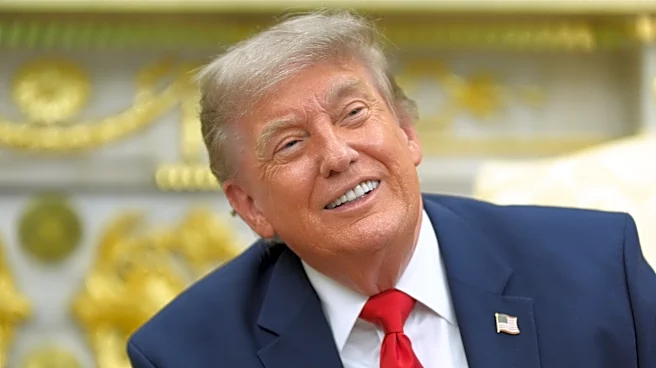
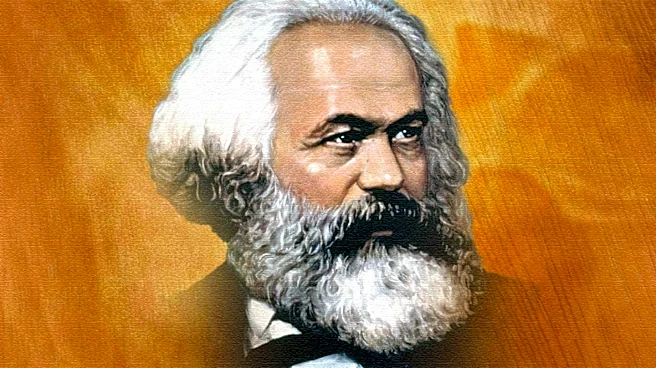
President Trump has been vocal about the perceived threat of communism in the United States, particularly as the 2026 midterm elections approach. In recent speeches, he has linked Democratic Socialist candidates to communist ideologies, warning that such
beliefs pose a significant threat to American values. This rhetoric is part of a broader strategy by Trump and other Republicans to associate the Democratic Party with communism, aiming to sway voters by invoking fears reminiscent of the Cold War era. Experts note that while Democratic Socialists advocate for increased state intervention in social welfare, they do not support the full state ownership typical of communist regimes.
Why It's Important?
Trump's rhetoric is significant as it seeks to influence voter perceptions and shape the political landscape ahead of the midterms. By equating Democratic Socialism with communism, Republicans aim to energize their base and attract voters wary of leftist policies. This strategy could impact the Democratic Party's efforts to regain control of Congress, as it forces them to address these accusations and clarify their positions. The debate also reflects broader societal concerns about economic inequality and the role of government, issues that resonate with many voters, particularly younger demographics.
What's Next?
As the midterm elections draw closer, the discourse around socialism and communism is likely to intensify. Republicans may continue to use this narrative to challenge Democratic candidates, while Democrats will need to counter these claims and articulate their policy positions clearly. The outcome of this ideological battle could influence voter turnout and the overall direction of U.S. politics. Additionally, the Democratic Socialists of America and their candidates will need to navigate these attacks while promoting their vision for economic and social reform.