




What's Happening?
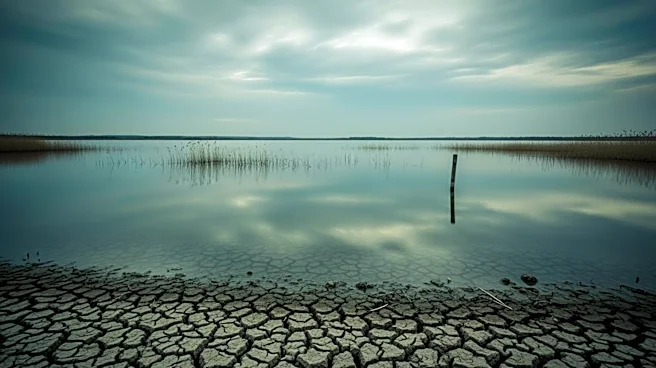
The recent mass fish die-off at Arizona's San Carlos Lake has highlighted the growing ecological threats facing U.S. lakes. The incident, attributed to prolonged drought and rapid water releases, resulted in the death of nearly all fish in the lake. Experts
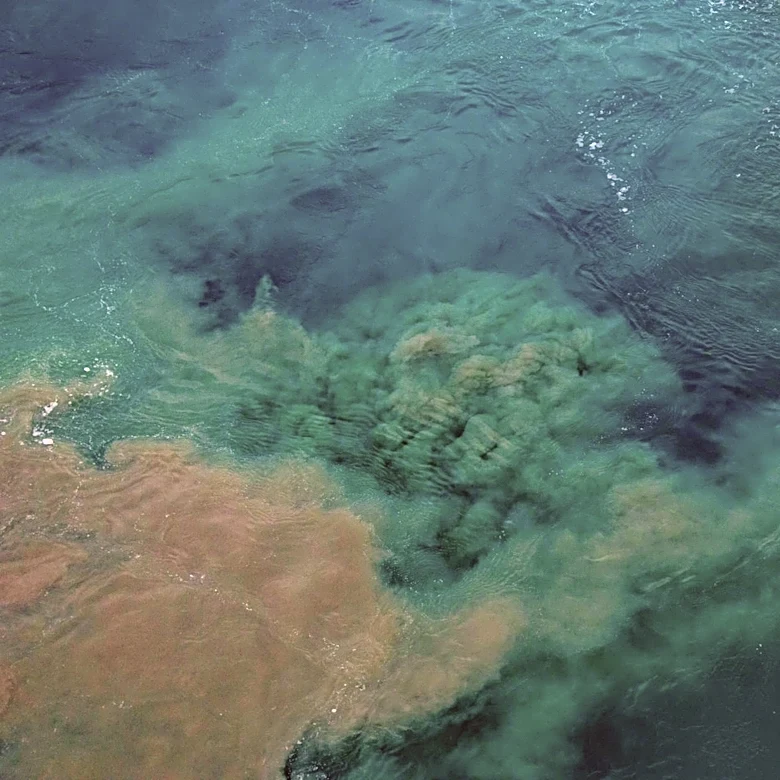
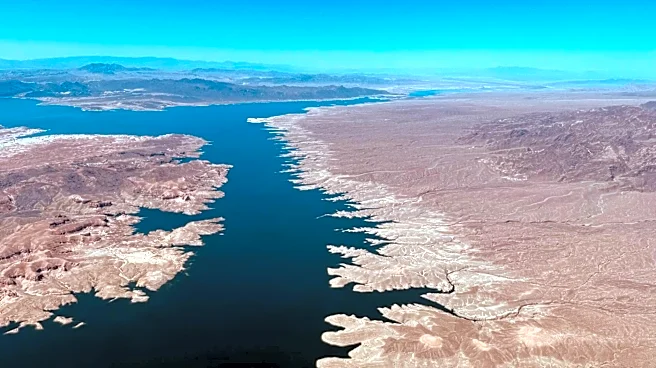
warn that similar conditions—low water levels, warming temperatures, and oxygen depletion—are becoming more common across the country. The Colorado River system, including Lake Mead and Lake Powell, is under significant strain, with forecasts predicting record low water levels by 2027. These conditions are conducive to harmful algal blooms and reduced oxygen levels, which can lead to widespread ecological damage. The Great Salt Lake in Utah is also at risk, with rising salinity levels threatening its ecosystem. Meanwhile, Lake Erie is experiencing toxic algal blooms due to nutrient pollution and warming waters, creating 'dead zones' where aquatic life struggles to survive.
Why It's Important?
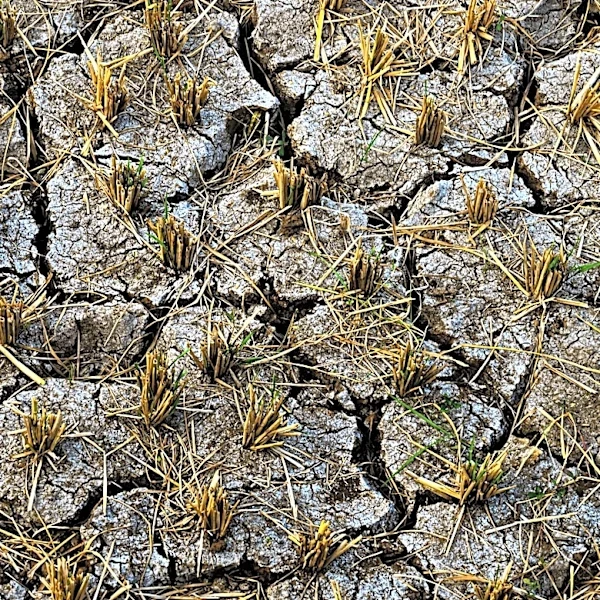
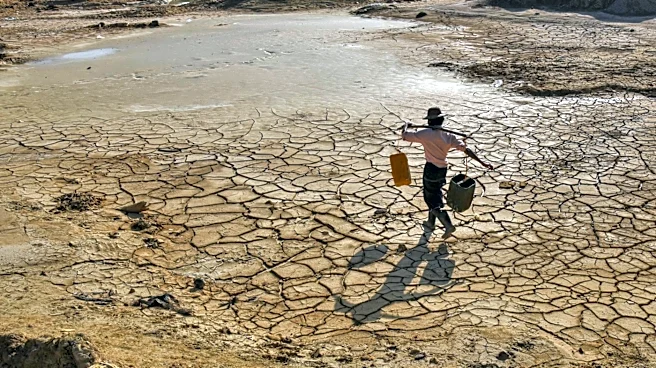
The ecological challenges facing U.S. lakes have far-reaching implications for water supply, public health, and biodiversity. Lakes like Mead and Powell are critical water sources for millions of people, and their decline could disrupt water delivery systems across the Western United States. The ecological damage from algal blooms and oxygen depletion can lead to the collapse of local ecosystems, affecting fish populations and other aquatic life. Additionally, the exposure of lakebeds, as seen in the Great Salt Lake, poses health risks to nearby communities due to toxic dust. These environmental stresses are exacerbated by climate change and human water use, highlighting the urgent need for sustainable water management practices.
What's Next?
Without intervention, more lakes may reach critical tipping points, leading to further ecological damage and water supply disruptions. Policymakers and environmental agencies may need to implement stricter water management and conservation measures to mitigate these risks. The situation calls for increased monitoring and research to better understand the impacts of climate change and human activity on lake ecosystems. Collaborative efforts between states and federal agencies could be essential in developing comprehensive strategies to protect these vital water resources.