



What's Happening?
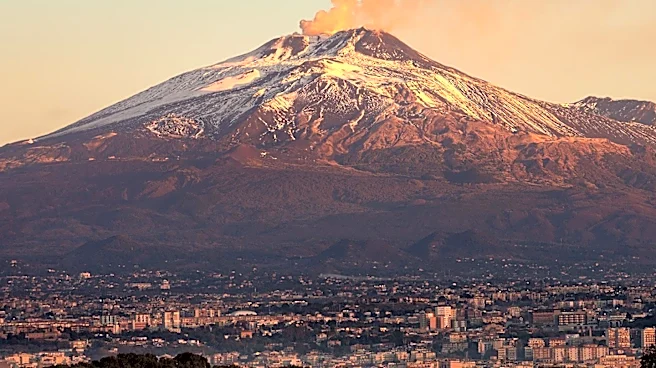
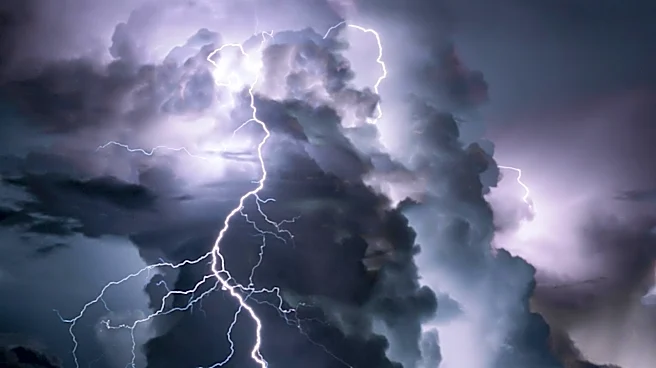
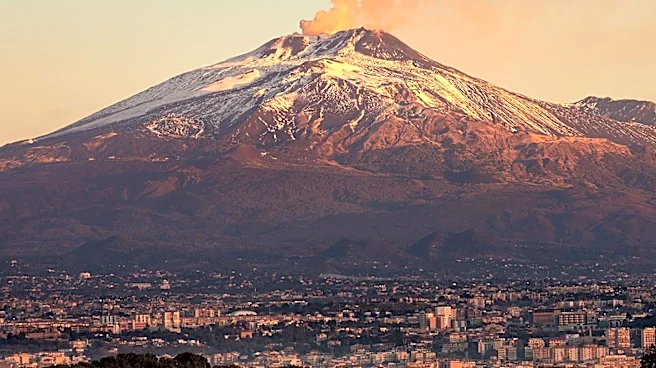
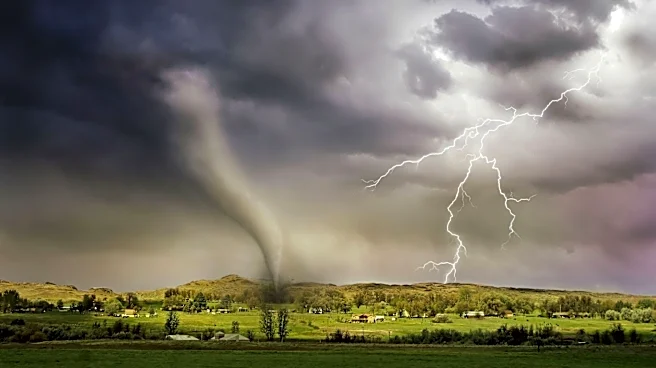
A 29-year-old U.S. tourist from Kansas died after being struck by lightning while hiking on Mount Etna in Sicily, Italy. The incident occurred on Sunday evening in an exposed, barren area of Europe’s largest active volcano. Italian firefighters rescued
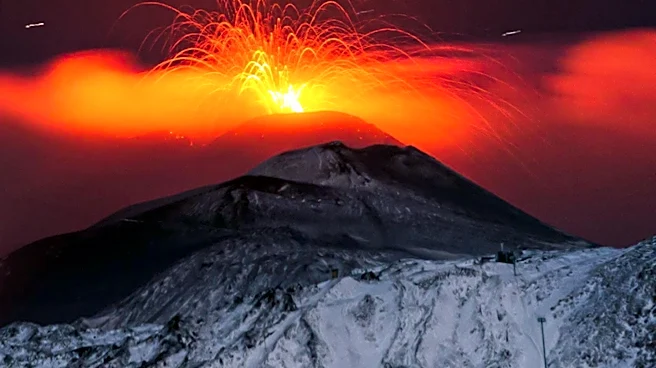
the man by helicopter, but he was later pronounced dead by medical personnel. His name has not been released. Authorities had previously closed certain areas of Mount Etna's slopes to hikers due to prolonged volcanic activity, which also led to the closure of Catania airport for much of the preceding week. It remains unclear whether the tourist was in one of these restricted zones at the time of the lightning strike. Officials have noted that lightning strikes have caused more fatalities on Mount Etna in recent decades than volcanic activity itself, with the last eruption-related deaths occurring in 1987.
Why It's Important?
This tragic event underscores the inherent dangers associated with outdoor recreational activities in dynamic natural environments, even for experienced hikers. For U.S. citizens traveling abroad, it highlights the critical importance of adhering to local safety advisories and restrictions, especially in areas prone to natural phenomena like volcanic activity and severe weather. The incident may prompt U.S. travel advisories or tour operators to reinforce warnings about the risks of hiking in such regions. Furthermore, it brings attention to the often-underestimated threat of lightning, which, as officials noted, has been a more significant cause of death on Mount Etna than volcanic eruptions. This could lead to increased awareness campaigns for tourists regarding lightning safety in mountainous or exposed terrains, potentially influencing travel insurance policies and emergency response protocols for international travelers.
What's Next?
Italian authorities will likely continue their investigation into the circumstances surrounding the U.S. tourist's death, including whether he was in a restricted area. This investigation could lead to a review of current safety protocols and signage on Mount Etna, potentially resulting in stricter enforcement of access restrictions or enhanced warning systems for hikers. For U.S. citizens planning international travel, particularly to areas with similar natural hazards, this incident may serve as a somber reminder to thoroughly research local conditions, heed all warnings, and consider comprehensive travel insurance that covers emergency medical evacuation and repatriation. The U.S. Embassy in Italy may also issue updated guidance for its citizens regarding safety precautions when visiting active geological sites.
Beyond the Headlines
The death of the U.S. tourist on Mount Etna highlights a broader challenge in managing tourism in hazardous natural landscapes. It raises questions about the balance between promoting tourism to iconic natural sites and ensuring visitor safety, especially when those sites are subject to unpredictable natural events. The incident also touches upon the psychological aspect of risk perception among tourists, who may sometimes underestimate dangers in pursuit of unique experiences. From a legal and ethical standpoint, it could spark discussions about the liability of local authorities and tour operators in preventing such tragedies, particularly concerning the clarity and visibility of warnings and restrictions. This event may also contribute to a global conversation about responsible tourism and the need for individuals to take personal accountability for their safety when engaging in high-risk activities.