







What's Happening?
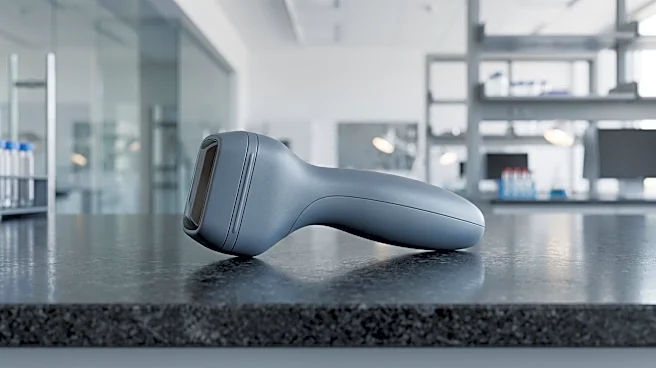
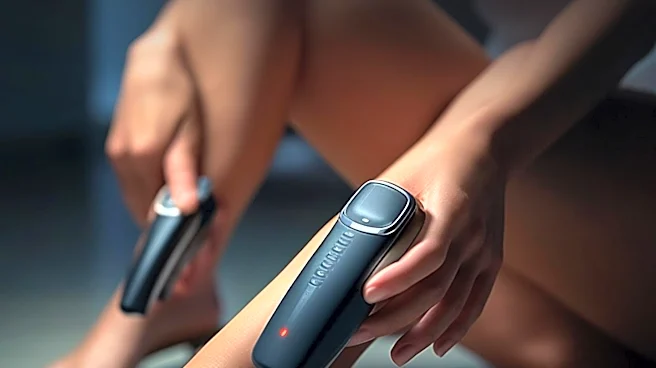
Red light therapy, also known as photobiomodulation, involves exposing the body to low levels of red and near-infrared light. The primary theory behind its mechanism is that it influences mitochondria by releasing nitric oxide from cytochrome c oxidase,
which can lead to increased ATP production and activate cellular repair signals. While widely marketed for various benefits, scientific evidence supports its efficacy primarily for pattern hair loss and knee osteoarthritis pain. For pattern hair loss, multiple sham-controlled trials and meta-analyses indicate increased hair density. For knee osteoarthritis, studies show a reduction in pain at recommended laser doses. Other applications, such as improving skin texture and acne, have some supporting evidence, while claims for sleep improvement and scar reduction are based on thin evidence. Conversely, claims related to weight loss, detoxification, or testosterone enhancement lack substantial human evidence.
Why It's Important?
The growing popularity of red light therapy devices, from at-home masks to full-body panels, necessitates a clear understanding of its scientifically supported applications versus marketing claims. For individuals suffering from pattern hair loss or knee osteoarthritis, red light therapy presents a potentially effective, non-invasive treatment option, offering relief and improved quality of life. However, the lack of robust evidence for many other advertised benefits means consumers should exercise caution and manage expectations. This distinction is crucial for public health, preventing misallocation of resources on unproven treatments and ensuring that individuals seek therapies with demonstrated efficacy for their specific conditions. The industry's rapid expansion, often fueled by anecdotal evidence and influencer endorsements, underscores the importance of evidence-based information to guide consumer choices and healthcare recommendations.
What's Next?
Further research is needed to fully elucidate the precise mechanisms of action for red light therapy and to establish optimal dosages and wavelengths for various conditions. While current evidence supports its use for hair loss and knee pain, ongoing studies may expand its proven applications or refine existing protocols. Consumers can expect continued innovation in device technology, but the onus will remain on manufacturers and researchers to provide rigorous clinical data to substantiate claims. Regulatory bodies may also increase scrutiny on marketing practices to ensure transparency and prevent misleading advertisements. For individuals considering red light therapy, consulting healthcare professionals to discuss evidence-based options and potential contraindications will be crucial.
Beyond the Headlines
The landscape of red light therapy highlights a broader challenge in the wellness industry: distinguishing between scientifically validated treatments and those driven by market trends. The allure of non-invasive, seemingly simple solutions often outpaces the scientific rigor required to prove their effectiveness. This situation raises ethical questions for manufacturers regarding responsible marketing and for consumers regarding critical evaluation of health claims. The biphasic response observed in red light therapy—where too little or too much light can negate its effects—underscores the complexity of photobiomodulation and the need for precise application, which is often difficult to achieve with consumer-grade devices. This also points to the potential for both under-treatment and over-treatment, further complicating the assessment of its real-world efficacy outside controlled clinical settings.