


What's Happening?
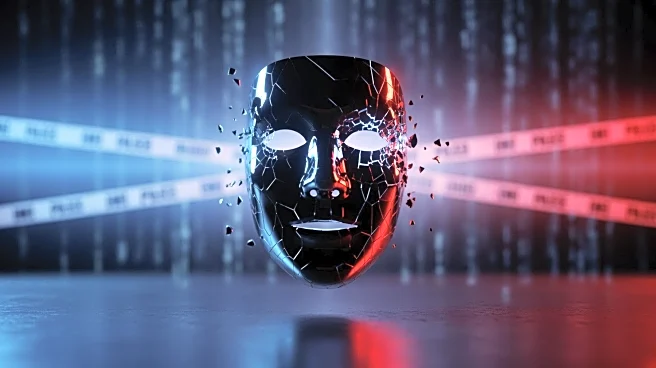
Deepfake technology, which allows for the creation of hyper-realistic synthetic media, is rapidly becoming a global threat. These tools can convincingly swap faces, mimic videos, or alter images, posing significant challenges to digital trust. The technology is increasingly
used in biometric fraud, exploiting vulnerabilities in traditional security measures. As synthetic media becomes indistinguishable from reality, the reliability of traditional trust signals, such as logos and familiar faces, is eroding. This has led to a surge in deepfake-driven fraud attempts, with significant implications for organizations and consumers.
Why It's Important?
The rise of deepfake technology represents a profound threat to digital trust, as it exploits human tendencies to believe what is seen and heard. This capability amplifies the effectiveness of social engineering attacks, allowing fraudsters to impersonate trusted figures and manipulate decision-making. The consequences extend beyond financial losses, impacting the integrity of digital communications and public confidence in digital systems. As deepfakes become more prevalent, organizations must adopt proactive and layered authentication strategies to verify identity and media integrity in real-time.
What's Next?
To combat the threat of deepfakes, organizations need to implement advanced AI defenses that can detect and block synthetic media before damage occurs. Platforms like Incode's Deepsight offer solutions by analyzing video, motion, and device data to expose inconsistencies. Additionally, businesses must strengthen employee awareness and training to recognize and report suspicious activity. As the technology evolves, collaboration across security, identity management, and fraud prevention teams will be essential to maintaining digital trust. Regulatory frameworks and ethical guidelines will also play a crucial role in addressing the challenges posed by deepfakes.