



What's Happening?
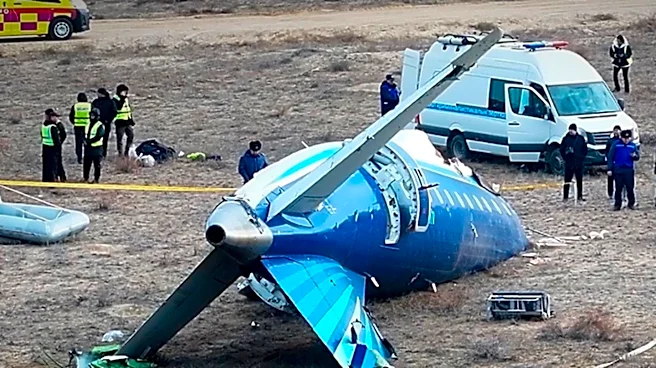
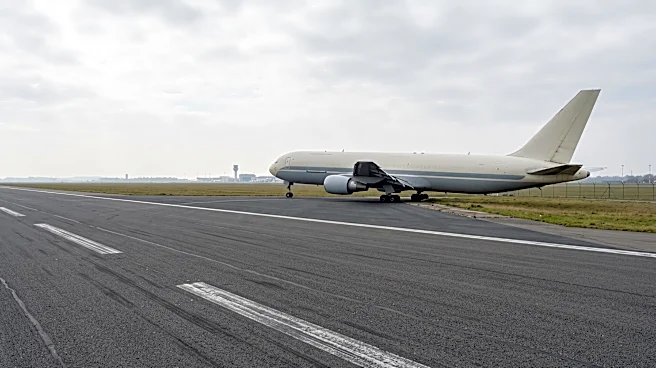
An Amazon cargo plane, operating as Prime Air Flight 7598, overran a runway at Miami International Airport (MIA) on Sunday afternoon. The Boeing 767-300 aircraft, which departed from San Juan, Puerto Rico, veered off the runway around 2 p.m. ET. The incident
resulted in the plane striking multiple vehicles, catching fire, and emitting thick black smoke. Miami-Dade Fire Rescue responded with over 60 units to extinguish the flames and assess the situation. The Federal Aviation Administration (FAA) confirmed the crash and initiated an investigation. All runways and taxiways at MIA were closed, and a ground stop was issued, causing significant flight delays and cancellations. The plane, operated by 21 Air, came to rest at the northwest end of the airport, with its tail reportedly over a fence. Authorities are currently assessing the scene, and information regarding injuries or fatalities is still being gathered.
Why It's Important?
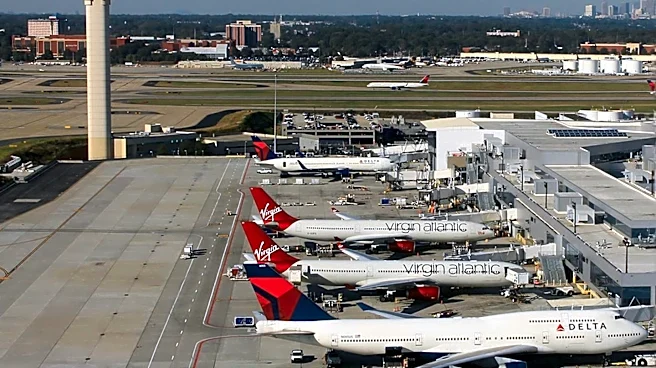
This incident significantly impacts air travel and cargo operations at one of the busiest airports in the United States. Miami International Airport serves as a critical hub for both passenger and cargo flights, particularly connecting the U.S. with Latin America and the Caribbean. The prolonged closure of runways and taxiways will lead to widespread disruptions, affecting supply chains and travel plans for thousands. For Amazon, a major player in e-commerce and logistics, such an event can raise concerns about the safety and reliability of its air cargo network, potentially leading to increased scrutiny from regulatory bodies and the public. The involvement of a Boeing 767 will also draw attention to aircraft maintenance and operational procedures, with implications for the broader aviation industry. The incident underscores the inherent risks in air transport and the critical importance of stringent safety protocols.
What's Next?
The FAA will conduct a thorough investigation into the cause of the runway overrun, examining factors such as pilot actions, aircraft mechanical condition, and runway conditions. The National Transportation Safety Board (NTSB) is also gathering information. Miami International Airport will likely face a period of reduced operations even after reopening, as authorities clear the scene and ensure the safety of all infrastructure. Travelers are advised to expect continued delays and cancellations. Amazon and 21 Air will cooperate with investigators, and the findings of the investigation could lead to new safety recommendations or operational changes within the air cargo industry. The focus will remain on assessing the extent of damage, determining the cause, and ensuring the well-being of those involved.
Beyond the Headlines
The crash of an Amazon cargo plane at a major international airport highlights the complex interplay of logistics, aviation safety, and emergency response. Beyond the immediate disruptions, this event could prompt a broader review of safety protocols for cargo operations, especially given the increasing reliance on air freight for e-commerce. The incident also brings to light the challenges faced by airport emergency services in managing large-scale aviation accidents, requiring rapid coordination and resource deployment. The public's perception of air cargo safety, often overshadowed by passenger aviation, may also shift, leading to greater demand for transparency and accountability from cargo carriers and their partners. The long-term implications could include enhanced regulatory oversight and technological advancements aimed at preventing similar incidents.