




What's Happening?
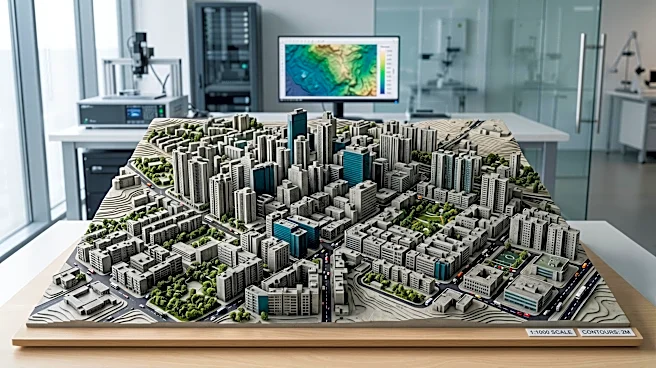
Ethiopian Prime Minister Abiy Ahmed has officially launched a significant urban corridor development project in Addis Ababa. This initiative spans 57 hectares and encompasses seven main routes along with their connecting roads. The project aims to transform
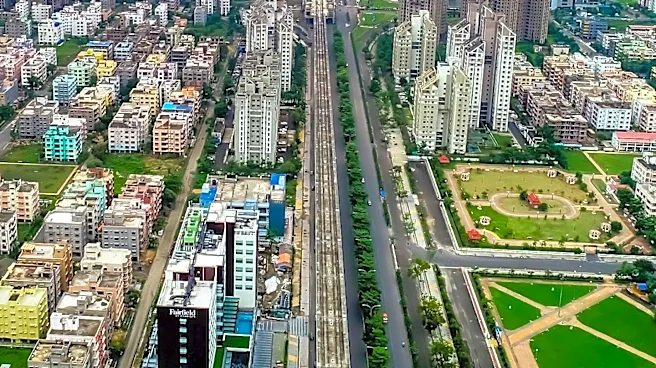
the capital into a more productive, inclusive, and livable urban center. Key areas covered include Bole Medhanialem-Golagul-British Embassy, Bole Medhanialem-Moenco, Bole School-Adey Abeba Model Village, and Imperial Hotel-Shalla Park corridors. Additionally, the Chechnya-Bole Rwanda and Adey Abeba Stadium-Bole Road routes are part of this extensive development. The project integrates modern road infrastructure, wide pedestrian walkways, dedicated cycling lanes, and underground utility networks. It also includes electric vehicle charging stations and parking facilities designed to accommodate over 5,000 vehicles. Beyond infrastructure, the plan involves renovating schools, libraries, playgrounds, and sports fields, alongside developing new cafés, restaurants, and green public plazas to enhance public amenities and the quality of life for residents.
Why It's Important?
This urban development project is significant as it reflects a strategic vision for Ethiopia's capital, emphasizing that the quality of urban development directly influences a nation's productivity, human dignity, social order, and environmental resilience. By focusing on modern infrastructure and public amenities, the project aims to create a more efficient and sustainable urban environment. The inclusion of EV charging stations and underground utilities points towards a forward-thinking approach to urban planning, addressing future needs related to technology and environmental sustainability. Improved public spaces like renovated schools, libraries, and green plazas are crucial for fostering community well-being and social cohesion. This initiative is part of the Medemer Government's broader urbanization strategy, which seeks to position cities as vital centers for enterprise, trade, knowledge, culture, institutional development, and employment, thereby contributing to national economic growth and social progress.
What's Next?
The unveiling of this project marks the beginning of its implementation, with construction and renovation activities expected to commence across the designated corridors. Future steps will likely involve detailed planning and execution phases for each component, from road construction to the development of public facilities. The project's success will depend on effective coordination among various government agencies and stakeholders. As the development progresses, there will be ongoing efforts to integrate these new urban features into the existing city fabric, ensuring minimal disruption while maximizing benefits. The long-term vision includes monitoring the project's impact on urban productivity, livability, and environmental resilience, potentially leading to similar initiatives in other Ethiopian cities as part of the broader urbanization strategy. The focus on accommodating future population growth and responding to climate challenges suggests a continuous adaptation and expansion of urban planning efforts.
Beyond the Headlines
Beyond the immediate infrastructural improvements, this project signifies a deeper commitment to sustainable urbanism and quality of life in Addis Ababa. The emphasis on green public plazas and cycling lanes promotes healthier lifestyles and reduces reliance on vehicular transport, contributing to environmental sustainability. The integration of underground utility networks is a critical step towards modernizing urban services, reducing visual clutter, and improving the reliability of essential services. Furthermore, the renovation of educational and recreational facilities underscores an investment in human capital and community development, recognizing that a city's vibrancy is not solely defined by its economic output but also by the well-being and opportunities available to its residents. This holistic approach to urban development could serve as a model for other rapidly urbanizing cities in Africa, demonstrating how integrated planning can address complex challenges of growth, sustainability, and social equity.