



What's Happening?
The U.S. Interior Department has announced the immediate suspension of leases for five offshore wind farms, citing national security risks. This decision affects projects such as Vineyard Wind 1, Revolution Wind, Sunrise Wind, and Empire Wind, which are
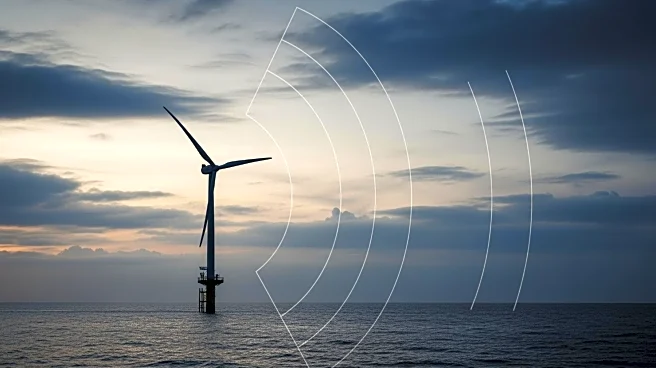
located near the East Coast, including New York City. These projects had previously received support from the Biden administration. The Interior Department's decision follows classified reports from the Department of War, which identified potential security threats associated with these wind farms. The concerns include radar interference caused by the movement of turbine blades and reflective towers, which could lead to false alarms or missed targets. Interior Secretary Doug Burgum emphasized that the primary duty of the U.S. government is to protect its citizens, and this action addresses emerging threats from adversary technologies.
Why It's Important?
The suspension of these offshore wind projects highlights a significant shift in U.S. energy policy under the Trump administration, prioritizing national security over renewable energy development. This move could impact the U.S. renewable energy sector, which has been growing with federal support. The decision may also affect the economic prospects of regions relying on these projects for job creation and energy supply. Additionally, it underscores the administration's focus on security concerns over environmental and economic benefits associated with renewable energy. The halt could lead to increased scrutiny of other renewable projects and influence future policy decisions regarding energy infrastructure near critical areas.
What's Next?
The future of these offshore wind projects remains uncertain as the Trump administration continues to evaluate national security risks. Stakeholders, including state governments and renewable energy companies, may seek to address the identified security concerns to resume project development. The decision could prompt legal challenges or calls for policy revisions to balance security with environmental and economic goals. Additionally, the administration may face pressure from environmental groups and industry advocates to reconsider the suspension, especially given the global emphasis on reducing carbon emissions and combating climate change.