







What's Happening?
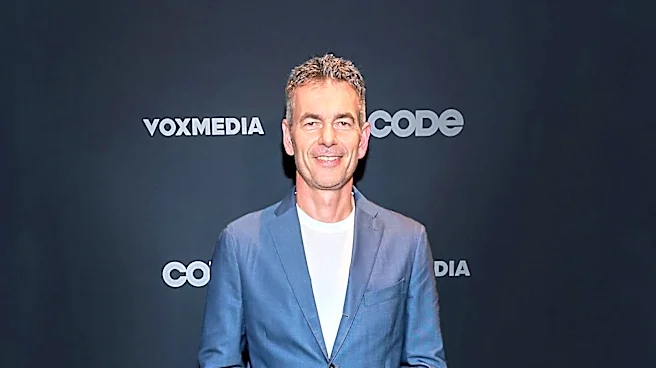
As the United States approaches its 250th anniversary, Wei Soo, Co-Founder of The Stories of Us, advocates for 'civic listening' as a means to strengthen democracy. This concept involves institutions systematically learning from the lived experiences
of citizens, beyond traditional quantitative data. Soo argues that civic listening can enhance policy-making, community strength, and decision-making by incorporating narratives of belonging, dignity, and hope. The initiative aims to transform civic institutions into better learners, capable of understanding and acting on the stories of the people they serve.
Why It's Important?
Civic listening represents a shift towards more inclusive and responsive governance, addressing the limitations of data-driven decision-making. By valuing personal narratives alongside quantitative data, institutions can gain a deeper understanding of societal changes and challenges. This approach could lead to more effective policies and stronger community ties, fostering trust and engagement in democratic processes. As the U.S. faces issues of polarization and declining trust, civic listening offers a potential pathway to renewal and reconciliation.
What's Next?
The implementation of civic listening could see institutions like libraries, schools, and local governments adopting new technologies and practices to capture and learn from community stories. This may involve partnerships with organizations focused on public engagement and narrative intelligence. As these practices become more widespread, they could influence national conversations on democracy and governance, potentially leading to systemic changes in how institutions interact with the public. The success of civic listening initiatives could inspire similar efforts globally, promoting a more participatory and empathetic approach to governance.