




What's Happening?
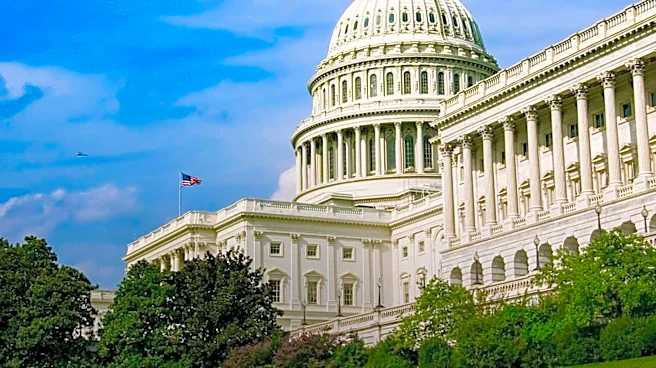
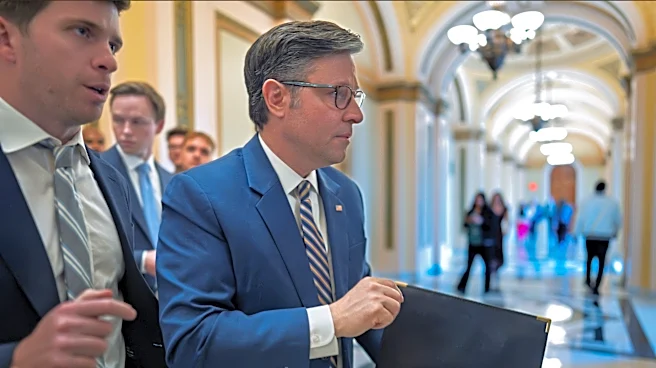
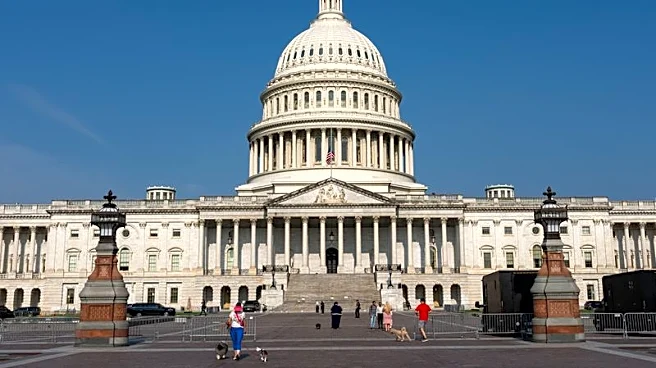
The U.S. Senate is considering the Sunshine Protection Act of 2025, which proposes making Daylight Saving Time permanent across most states. This legislation, introduced by Rep. Vern Buchanan, has already passed the House of Representatives and is supported
by President Trump. The proposed change has raised concerns among Orthodox Jewish communities, as it would delay sunrise times, affecting the timing of morning prayers. Jewish rituals, including morning prayers, are traditionally aligned with natural dawn, and a permanent shift in daylight hours could disrupt these practices. Rabbi Josh Joseph of the Orthodox Union and Rabbi A.D. Motzen of Agudath Israel of America have expressed concerns that later sunrises would make it difficult for observant Jews to attend morning prayers and meet work or school obligations.
Why It's Important?
The potential shift to permanent Daylight Saving Time could significantly impact religious practices for Orthodox Jews, who rely on natural dawn for morning prayers. This change could lead to disruptions in daily routines, affecting not only religious observance but also professional and educational commitments. The legislation highlights a broader debate about the balance between societal convenience and religious freedoms. While supporters argue for the benefits of extended evening daylight, opponents, including some health professionals, caution against the disruption of natural circadian rhythms. The outcome of this legislation could set a precedent for how religious practices are accommodated in public policy.
What's Next?
The Senate is expected to review the Sunshine Protection Act before its recess. If passed, the legislation would eliminate the need to adjust clocks biannually, but it could also prompt further discussions on accommodating religious practices within public policy. Jewish organizations are urging amendments to the bill to consider the impact on religious communities. The debate may also influence future legislative considerations regarding the balance between convenience and religious freedoms.