
What's Happening?
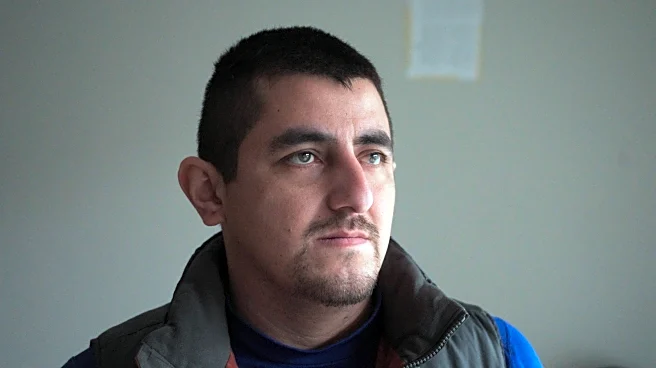
An immigration judge in the United States has granted asylum to Guan Heng, a Chinese national who exposed human rights abuses in China. Guan, who arrived in the U.S. illegally in 2021, had been detained
since August as part of a mass deportation campaign. He filmed detention facilities in Xinjiang, contributing to evidence of alleged rights abuses against ethnic minorities, particularly Uyghurs. The Department of Homeland Security initially planned to deport him to Uganda but dropped the plan after public and congressional attention. During a hearing in New York, Guan testified that his intention was not to seek asylum but to highlight the persecution of Uyghurs. The judge found Guan credible and eligible for asylum, citing fears of retaliation if he returned to China. Despite the ruling, Guan remains in custody as the Department of Homeland Security considers an appeal.
Why It's Important?
This case underscores the challenges faced by asylum seekers in the U.S., particularly under the current administration, where approval rates have significantly dropped. Guan's successful asylum claim highlights the U.S.'s role in providing refuge to individuals exposing human rights violations, reinforcing its moral and legal responsibilities. The case also draws attention to the ongoing human rights issues in Xinjiang, which have international implications, affecting U.S.-China relations and global human rights advocacy. The decision may influence future asylum cases, setting a precedent for those fleeing persecution after exposing governmental abuses.
What's Next?
The Department of Homeland Security has 30 days to appeal the asylum decision. If they choose not to appeal, Guan could be released from custody. The case may prompt further scrutiny of U.S. immigration policies and their alignment with international human rights standards. Additionally, it could lead to increased advocacy and legislative efforts to protect whistleblowers and human rights defenders seeking asylum in the U.S.