



What's Happening?
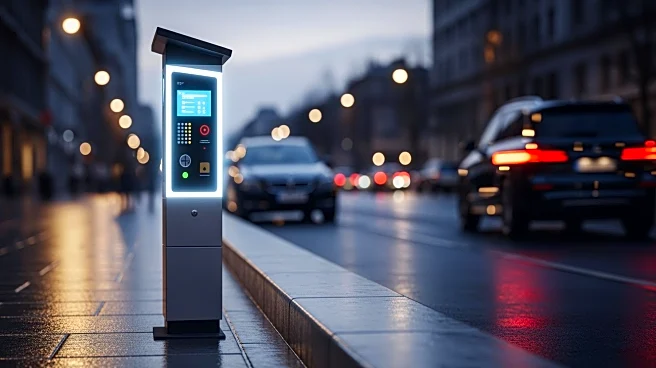
Efforts to digitize curb management in urban areas face significant challenges, according to recent discussions among urban planners and technologists. The concept involves using digital tools to manage street curbs for various users, including delivery
vehicles, cyclists, and motorists. Despite the potential benefits, such as real-time parking information and dynamic loading zones, the implementation of these systems is complex. Key obstacles include the integration of diverse data sources, the need for city leadership and stakeholder buy-in, and the technical challenges of creating accurate digital maps. Cities like Boston are experimenting with AI to map curbs and manage policies, but widespread adoption remains a vision rather than reality.
Why It's Important?
Digital curb management systems promise to enhance urban mobility and reduce congestion by optimizing the use of street space. Successful implementation could lead to more efficient delivery services, reduced traffic, and improved urban planning. However, the challenges highlight the need for coordinated efforts among city governments, technology providers, and stakeholders. Overcoming these barriers is crucial for cities aiming to leverage technology for smarter urban environments. The ongoing experiments and collaborations among cities could pave the way for future advancements in urban mobility solutions.