




What's Happening?
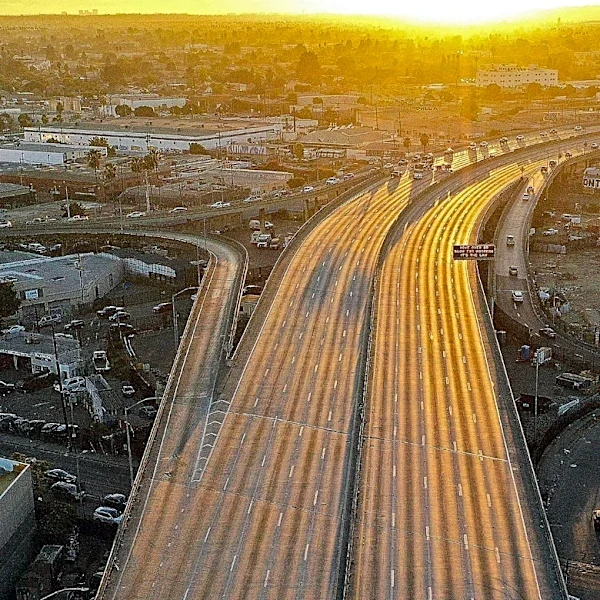
Long Beach, California, has activated a speed camera program at 18 locations across the city, with two cameras in each City Council district. These cameras began issuing warnings on October 7 and will start issuing citations on December 7. The initiative
aims to address a significant increase in fatal crashes, with 53 recorded last year—the highest in over a decade—and 41 so far this year, surpassing the number of homicides. Half of the camera locations are on streets with high rates of deadly or severe accidents, while the other half are situated in school zones or areas known for street racing. The cameras capture only the rear license plates of vehicles, and citations, ranging from $50 to $500 depending on the speed over the limit, are mailed to the registered owner. Long Beach officials estimate the program will generate approximately $5 million in revenue in its first year, with half covering administrative costs and the remainder funding traffic-calming measures in high-need neighborhoods. This program is part of a state-approved pilot that also includes Los Angeles, San Francisco, Oakland, Glendale, Malibu, and San Jose, with San Francisco and Oakland already issuing citations.
Why It's Important?
The implementation of speed cameras in Long Beach signifies a growing trend in U.S. cities to leverage technology for traffic enforcement and public safety. This move is particularly important given the alarming rise in fatal traffic incidents, which pose a significant public health and safety concern. The program's revenue allocation, with funds directed towards traffic-calming measures, highlights a commitment to reinvesting in community safety infrastructure. This approach could serve as a model for other municipalities grappling with similar issues, demonstrating how technology can be integrated into urban planning to mitigate risks. However, it also raises questions about privacy and the potential for disproportionate impact on certain communities, as automated enforcement systems can sometimes lead to debates over fairness and equity. The success or challenges faced by Long Beach's program could influence future legislative decisions regarding speed camera expansion in California and potentially other states, shaping the landscape of traffic enforcement and urban safety for years to come.
What's Next?
The Long Beach speed camera program will transition from issuing warnings to official citations starting December 7. This shift will initiate the collection of fines, which range from $50 for exceeding the speed limit by 11-15 mph to $500 for speeds over 100 mph. Payment for citations is due within 30 days, though payment plans and diversion programs are available. The city plans to install two additional speed cameras on Pacific Coast Highway next year, following approval from another state bill. The estimated $5 million in annual revenue will be closely monitored, with half allocated to program administration and the other half to traffic-calming measures such as crosswalks, no-turn-on-red signs, and speed humps. The ongoing performance and public reception of the program will likely be scrutinized by local officials and residents, potentially influencing its long-term continuation beyond 2031 and its adoption in other cities participating in the state-approved pilot program.
Beyond the Headlines
The deployment of speed cameras in Long Beach touches upon broader societal implications beyond immediate traffic safety. The reliance on automated enforcement systems like these raises ethical considerations regarding surveillance and the role of technology in governing public behavior. While proponents emphasize safety benefits, critics often voice concerns about the potential for these systems to become revenue-generating tools rather than purely safety-focused initiatives, especially if fine structures are perceived as punitive. There's also the question of equity, as traffic fines can disproportionately affect lower-income individuals, potentially exacerbating financial hardships. The program's success will not only be measured by a reduction in accidents but also by its acceptance within the community and its perceived fairness. This initiative could spark wider discussions about the balance between public safety, individual liberties, and the equitable application of technology in urban environments, potentially influencing future policy debates on automated enforcement across the U.S.