





What's Happening?
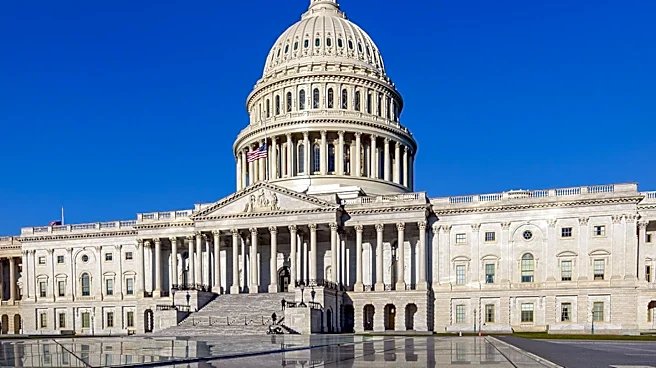
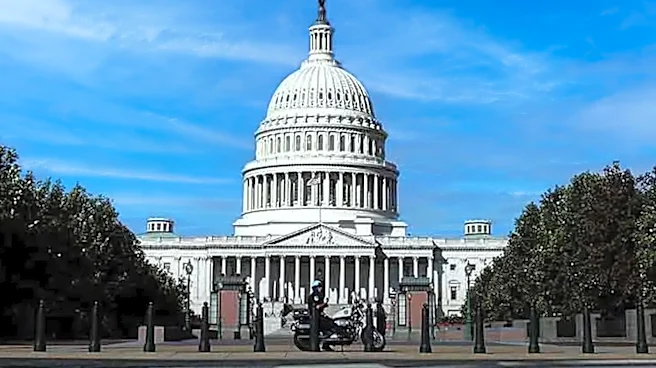
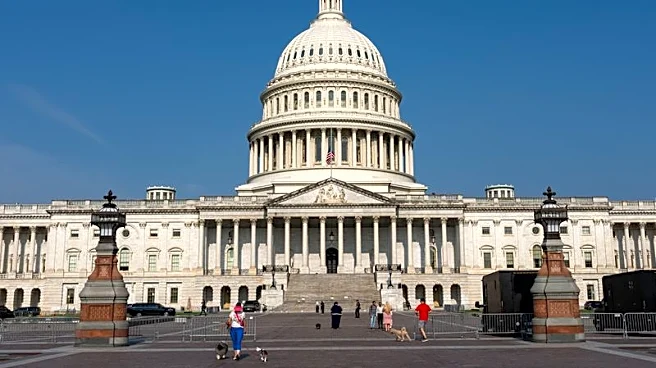
With 100 days until the midterm elections, the House Republican majority is facing significant challenges. Recent polls show Democrats leading in generic ballots, and economic issues such as high gas prices and inflation are contributing to public dissatisfaction.
President Trump's approval ratings are low, and the ongoing Iran war is exacerbating economic concerns. Despite these challenges, Republicans have made strategic gains in redistricting and fundraising, which could bolster their position. However, the GOP's legislative achievements, such as the voter ID law, face obstacles in the Senate, and internal party dynamics remain strained.
Why It's Important?
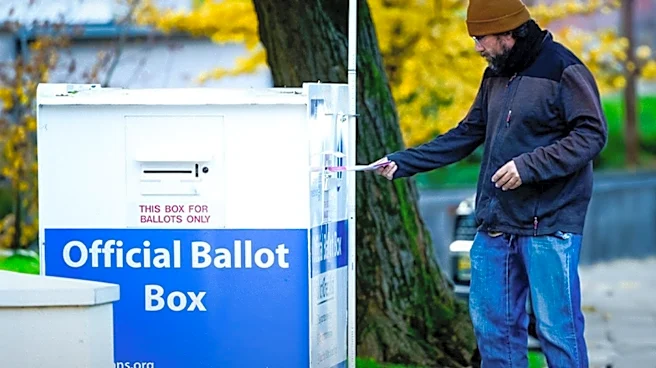
The upcoming midterm elections are crucial for determining the balance of power in Congress. Economic issues are likely to be a decisive factor, with voters' perceptions of the economy influencing their choices at the polls. The Republican Party's ability to navigate these challenges and leverage their strategic advantages will be key to maintaining their majority. The outcome of the elections could impact legislative priorities and the political landscape for the remainder of President Trump's term.
What's Next?
As the midterm elections approach, both parties will intensify their efforts to sway voters. Republicans will focus on leveraging their redistricting gains and financial resources, while Democrats will emphasize economic issues and voter dissatisfaction with the current administration. The effectiveness of each party's messaging and voter mobilization efforts will be critical in determining the election results. Additionally, the GOP's internal dynamics and legislative strategy will be closely scrutinized as they seek to maintain their majority.