






What's Happening?
The United States is currently engaged in discussions with Germany and other European nations to establish co-production of Raytheon's AIM-120 AMRAAM missiles and a maintenance facility for Lockheed's PAC-3 Patriot missiles in Europe. This initiative
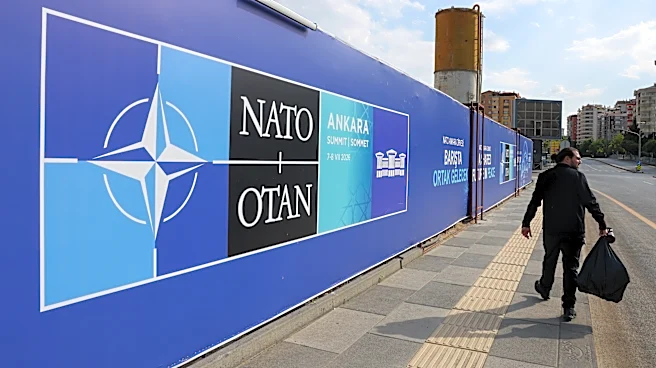
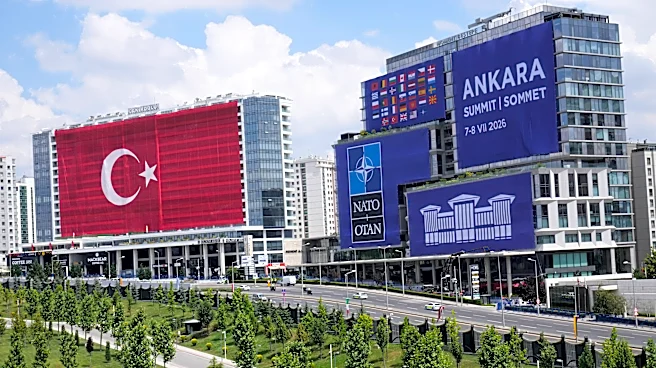
aims to alleviate production constraints at Raytheon and Lockheed Martin factories in the U.S., allowing these defense companies to increase production domestically. The talks are set to culminate in a statement of intent at a NATO Industry Forum during the military alliance's summit in Ankara. The demand for these missiles has surged, particularly in Ukraine, where they are crucial in the ongoing conflict against Russian forces. President Trump has been vocal about European allies increasing their defense spending and purchasing more U.S. equipment, even threatening to withdraw from NATO if these demands are not met.
Why It's Important?
This development is significant as it addresses the growing demand for advanced missile systems in Europe, particularly in light of the ongoing conflicts in Ukraine and Iran. By establishing co-production facilities in Europe, the U.S. aims to enhance its defense collaboration with European allies, ensuring a steady supply of critical defense equipment. This move could also relieve pressure on U.S. defense manufacturers, who are currently struggling to meet the high demand for munitions. The initiative reflects a strategic shift in U.S. defense policy, emphasizing the importance of shared defense responsibilities among NATO allies. It also highlights the geopolitical tensions and the need for robust defense capabilities in the face of potential threats.
What's Next?
The next steps involve finalizing the agreement at the NATO Industry Forum, which will set the stage for the implementation of co-production and maintenance facilities in Europe. This could lead to increased defense spending by European nations and a stronger transatlantic defense partnership. The U.S. and its allies will likely continue to monitor the situation in Ukraine and Iran closely, adjusting their defense strategies as needed. The outcome of these talks could influence future U.S. defense policies and its role within NATO, potentially impacting global defense dynamics.