



What's Happening?
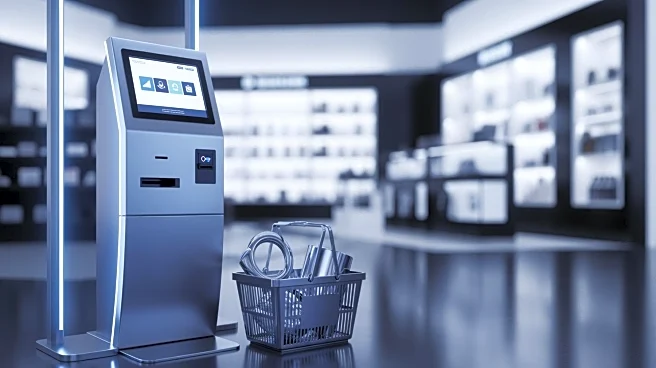
A recent survey by LendingTree has highlighted a trend among Connecticut's wealthy shoppers, where a significant number admit to not scanning items at self-checkout kiosks. Connecticut, known for its high per-capita income, sees a notable percentage of
its affluent residents engaging in this practice. The survey reveals that 27% of self-checkout users have intentionally skipped scanning items, with this figure rising to 40% among households earning $100,000 or more. This behavior is attributed to factors such as rising prices, the perception of large store profits, and the feeling that self-checkout equates to unpaid labor. Despite Connecticut's wealth, this trend suggests a disconnect between financial capability and ethical shopping practices.
Why It's Important?
The findings from the LendingTree survey raise questions about consumer ethics and the effectiveness of self-checkout systems in retail environments. As self-checkout becomes more prevalent, the potential for loss due to unscanned items could impact store revenues, leading to higher prices for all consumers. This behavior among affluent shoppers also challenges the assumption that financial stability correlates with ethical consumer behavior. Retailers may need to reconsider the balance between convenience and security in self-checkout systems to mitigate losses. Additionally, this trend could influence public perception of wealth and ethics, potentially affecting social dynamics and consumer trust in retail settings.
What's Next?
Retailers in Connecticut and beyond may need to implement stricter monitoring and security measures at self-checkout kiosks to address this issue. This could include increased staff presence, enhanced technology to detect unscanned items, or even a reevaluation of the self-checkout model itself. As the conversation around consumer ethics continues, there may be calls for public awareness campaigns to encourage honest shopping practices. Furthermore, the retail industry might explore alternative checkout solutions that balance efficiency with accountability, potentially reshaping the shopping experience.