





What's Happening?
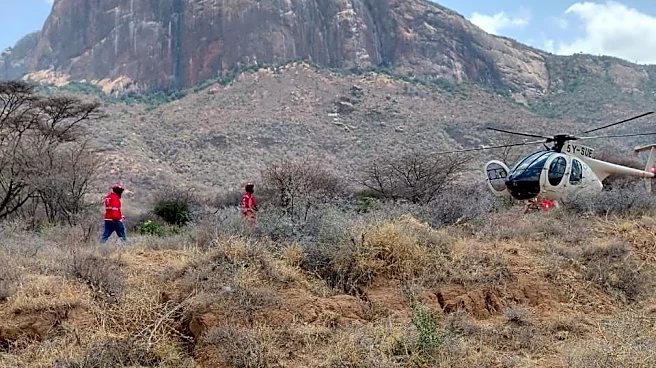
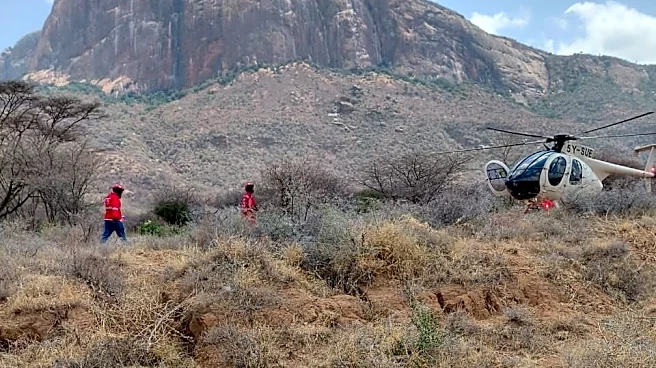
Roger Duarte, a 42-year-old millionaire seafood entrepreneur and a former Forbes 30 Under 30 list honoree, was among five Americans who died in a helicopter crash in Kenya. The incident occurred on Wednesday morning near the foothills of a mountain in northern
Kenya. Duarte, a married father of two, was traveling with five other passengers and the pilot when the Eurocopter Ec130 B4 went down. Other identified American victims include Telemundo executive José Suárez and a married couple, Henry Parra and Adam Hlavaty. The crash also claimed the lives of Michele Sensi-Contugi, director general of Ecuador’s intelligence agency, his wife Stephany Maria Hollihan Vasconez (a US dual citizen), and experienced pilot Josh Outram. Lady Lori Helicopters, the operator of the charter flight from Suyian Conservancy to Mount Ololokwe, confirmed the tragedy, as did luxury tour agency &Beyond, which stated the chopper was carrying its guests. The cause of the crash is currently under investigation.
Why It's Important?
The tragic death of Roger Duarte, a prominent figure in the U.S. food industry, represents a significant loss for the entrepreneurial community. Duarte founded George Stone Crab in 2008 at the age of 24, after a career in investment banking, and later launched the restaurant My Ceviche, which generated $1 million in sales within its first year. His success story, from selling cigars as a schoolboy to being recognized on the Forbes 30 Under 30 list, served as an inspiration for aspiring business leaders. The incident also highlights the risks associated with international travel, particularly in remote areas, for U.S. citizens and business professionals. The involvement of a Telemundo executive and other Americans underscores the global reach of U.S. business and media interests, and the potential impact of such tragedies on various sectors. The ongoing investigation into the crash will be crucial for understanding safety protocols and potentially influencing future travel advisories or operational standards for charter flights in the region, affecting U.S. tourists and business travelers.
What's Next?
Authorities in Kenya are continuing their investigation into the cause of the helicopter crash. This inquiry will likely involve examining flight data, maintenance records, and environmental factors to determine the precise circumstances leading to the accident. The findings could lead to recommendations for improved safety measures for charter helicopter operations in the region, potentially impacting U.S. citizens traveling to Kenya for tourism or business. For the families of the victims, including Duarte's, the immediate future will involve navigating the complexities of international repatriation and mourning their loss. The businesses founded by Duarte, George Stone Crab and My Ceviche, will face a period of transition as they address the leadership void created by his passing. The broader U.S. entrepreneurial and culinary communities will likely reflect on Duarte's legacy and the inherent risks faced by individuals pursuing ventures in diverse global environments.
Beyond the Headlines
This incident extends beyond a mere accident, touching upon the broader narrative of global entrepreneurship and the personal sacrifices often made in pursuit of business ventures. Roger Duarte's journey from investment banking to building successful seafood enterprises exemplifies the American spirit of innovation and risk-taking. His recognition on the Forbes 30 Under 30 list underscored his impact and potential. The tragedy also brings to light the often-unseen dangers associated with international business travel, particularly in regions with varying infrastructure and regulatory oversight. It prompts a reflection on the balance between ambition and personal safety, and the support systems available for entrepreneurs operating in complex global landscapes. Furthermore, the loss of multiple U.S. citizens in a single incident could subtly influence perceptions of safety for American travelers and businesses considering operations or leisure activities in certain international destinations, potentially leading to increased scrutiny of travel insurance, emergency response, and diplomatic support for citizens abroad.