






What's Happening?
China is rapidly expanding and modernizing its nuclear arsenal, with significant advancements in its intercontinental and submarine-launched ballistic missiles (ICBMs and SLBMs). The People's Liberation Army Rocket Force (PLARF) has been deploying multiple
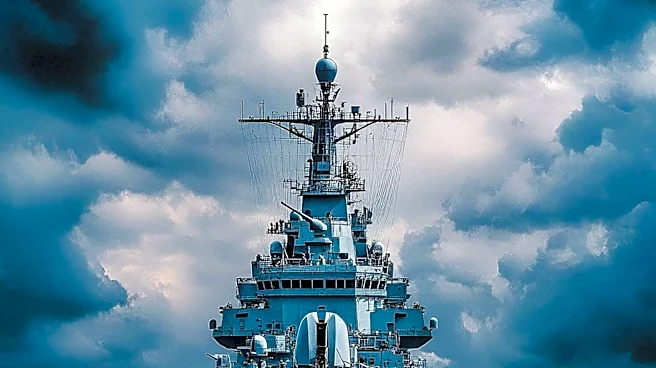
independent re-entry vehicles (MIRVs) and penetration aids, enhancing the survivability and effectiveness of its strategic arsenal. The development of new sea- and air-based nuclear delivery systems, including the Type 096 ballistic missile submarine and the H-20 stealth bomber, further strengthens China's position as a nuclear triad power.
Why It's Important?
China's nuclear expansion poses a strategic challenge to the United States and its allies, potentially altering the balance of power in Asia and beyond. The rapid modernization of China's nuclear forces could lead to increased tensions and an arms race in the region. The Pentagon estimates that China will have over 1,000 operational nuclear warheads by 2030, raising concerns about the potential for conflict and the need for new arms control agreements.
What's Next?
The international community may need to engage in diplomatic efforts to address China's growing nuclear capabilities and prevent an arms race. The U.S. and its allies will likely need to reassess their defense strategies and consider new arms control measures to manage the evolving security landscape. The development of new technologies and military capabilities by China will require ongoing monitoring and analysis.