







What's Happening?
A recent Government Accountability Office (GAO) audit has uncovered that evidence was either destroyed or went missing in the case of Geraldo Lunas Campos, a federal immigration detainee whose death was ruled a homicide by asphyxiation. The incident occurred
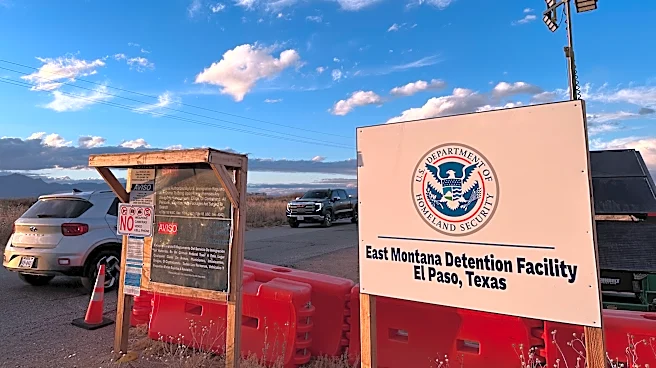
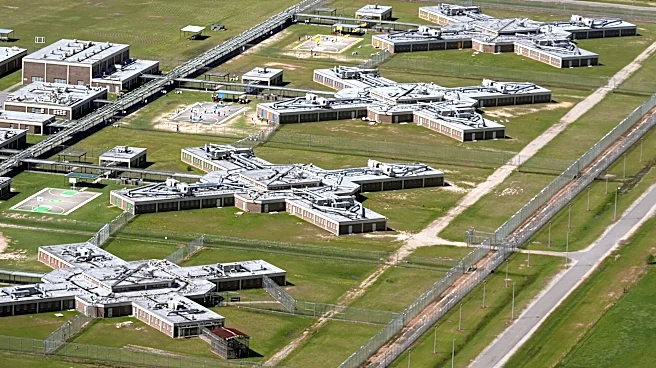
at the Camp East Montana detention facility in Texas, operated by a private contractor. The GAO report highlights that Immigration and Customs Enforcement (ICE) filed a discrepancy report in February, noting the contractor's failure to provide necessary use-of-force and death reports related to the January death of Lunas Campos. Witnesses reported that guards choked Lunas Campos after he requested medication, contradicting the Department of Homeland Security's (DHS) initial claim that he died during a suicide attempt. An internal ICE inspection also revealed multiple violations of national detention standards, including inadequate documentation of use-of-force and medical care. Following these findings, ICE terminated its contract with the previous contractor and engaged a new one in April.
Why It's Important?
The findings of the GAO audit are significant as they highlight systemic issues within the U.S. immigration detention system, particularly concerning oversight and accountability. The destruction or loss of evidence in a case ruled as homicide raises serious concerns about transparency and justice for detainees. This situation underscores the potential for human rights violations within detention facilities, which have been criticized for medical neglect and brutality. The audit's revelations could impact public trust in ICE and DHS, prompting calls for reform and increased oversight. The financial implications are also notable, as ICE reportedly wasted millions of dollars in the expedited awarding of contracts, raising questions about fiscal responsibility and the effectiveness of private contractors in managing detention facilities.
What's Next?
In response to the audit, ICE has switched to a new contractor, promising improved detention standards and increased medical care at Camp East Montana. The DHS spokesperson indicated that the new contract includes more on-site staff and a precise quality assurance plan, suggesting a move towards better oversight. However, the broader implications for ICE's operational practices and the potential for further investigations into other detention facilities remain to be seen. Stakeholders, including human rights organizations and lawmakers, may push for comprehensive reforms to address the systemic issues highlighted by the audit.