







What's Happening?
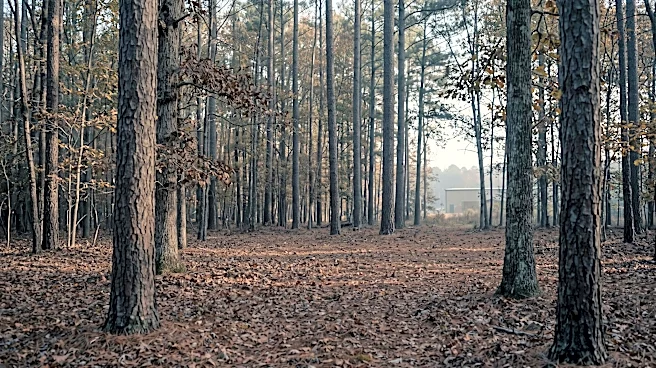
Authorities in North Carolina have identified human remains found nearly 49 years ago as Cindy Marcell Blizzard, a 15-year-old girl who ran away from her Maryland home in the spring of 1977. The skeletal remains were discovered on December 29, 1977, in a wooded
area near a manufacturing facility in Wilson County, North Carolina, approximately five hours south of Blizzard's residence. A medical examiner at the time determined the remains belonged to a white female between 16 and 23 years old and had likely been there for six months to two years. Due to the circumstances of the discovery, investigators are treating the case as a homicide, though the manner of death remains undetermined. The case went cold for decades as forensic technology was insufficient for identification. It was reopened in 2010 by a state anthropologist who submitted the remains for DNA testing. Significant progress occurred in 2024 when the North Carolina State Bureau of Investigation's (SBI) Cold Case Investigative Team utilized advanced DNA testing and genealogical services to trace potential relatives, ultimately leading to Blizzard's identification. The FBI, Maryland Department of State Police, and Raleigh Police Department assisted in the identification process.
Why It's Important?
This identification represents a significant breakthrough in a decades-old cold case, offering potential closure for the family of Cindy Marcell Blizzard after nearly five decades of uncertainty. The successful identification highlights the transformative impact of advancements in forensic science, particularly DNA testing and genetic genealogy, in solving long-unresolved cases. For law enforcement, it underscores the enduring commitment to cold case investigations and the potential for new technologies to bring justice even after many years. The ongoing homicide investigation means that those responsible for Blizzard's death could still be identified and prosecuted, reinforcing the principle that such cases are never truly closed. This development also serves as a reminder of the many unsolved missing persons and homicide cases across the U.S. and the hope that evolving forensic methods can provide answers for other families.
What's Next?
Investigators will now focus on determining the circumstances surrounding Cindy Marcell Blizzard's death and identifying any individuals responsible. The case is being actively investigated as a homicide, meaning authorities will pursue leads related to her disappearance and the discovery of her remains. This will likely involve reviewing original case files, re-interviewing potential witnesses if any are still alive, and utilizing any new forensic evidence that can be extracted from the remains or the crime scene. The involvement of multiple law enforcement agencies, including the SBI, FBI, Maryland State Police, and Raleigh Police, suggests a coordinated effort to piece together what happened to Blizzard after she ran away. The public may be asked for information if investigators believe it could aid in solving the case.
Beyond the Headlines
The identification of Cindy Marcell Blizzard's remains after 49 years underscores the profound and lasting impact of missing persons cases on families and communities. It highlights the emotional toll of unresolved disappearances and the enduring hope for answers. This case also exemplifies the ethical considerations involved in using advanced genetic genealogy, balancing the need for justice and closure with privacy concerns. The success in this cold case may encourage further investment in forensic technologies and specialized cold case units, recognizing their critical role in addressing historical injustices. Furthermore, it sheds light on the vulnerability of runaway youth and the potential dangers they face, a societal issue that remains relevant today. The resolution of such cases, even decades later, can provide a sense of justice and contribute to a broader understanding of historical crime patterns.