


What's Happening?
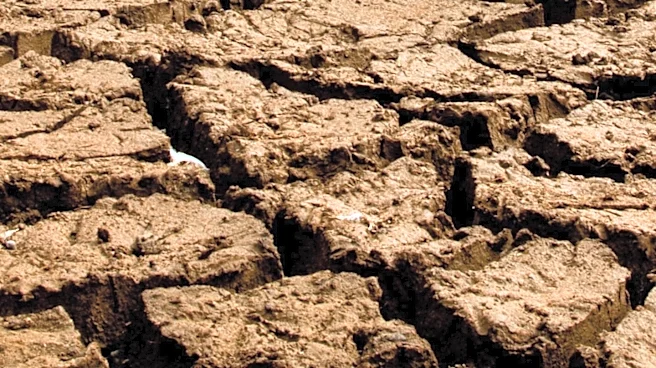
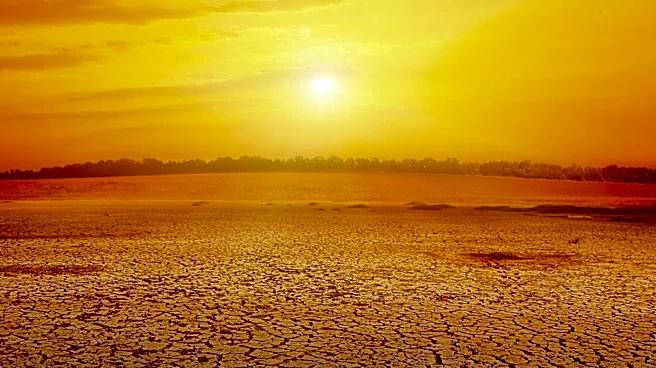
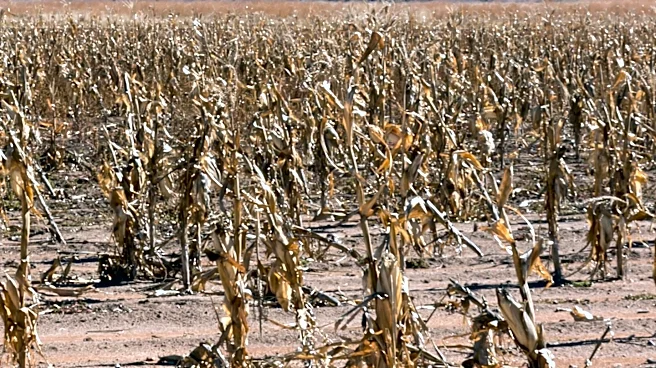
Somalia is on the brink of a severe famine and drought, with approximately 5.4 million people projected to face crisis-level hunger or death in 2026. Tens of thousands are already experiencing catastrophic conditions, particularly in regions like Baidoa.
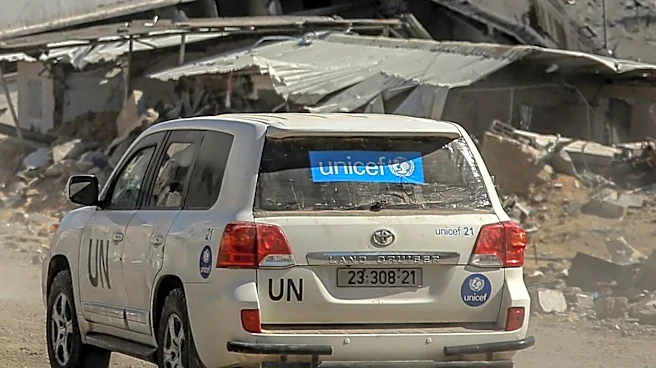
According to U.N. News, nearly 6 million Somalis, including over 2 million children under five, lack adequate food and require acute malnutrition treatment. This crisis is driven by severe and repeated climate shocks, such as extreme drought and El Niño-induced flooding, coupled with soaring fuel and food prices, global supply chain disruptions, and significant reductions in international humanitarian funding. International aid has plummeted by up to 88% compared to previous years, forcing over 200 health and nutrition facilities to close or scale back services. This leaves fewer than 2% of those in need expected to receive proper food aid. Heavy rainfall has also led to flooding in parts of Mogadishu, impacting health centers.
Why It's Important?
The unfolding crisis in Somalia highlights the devastating impact of climate change and geopolitical factors on vulnerable populations. The drastic reduction in international humanitarian funding, including from major donors like the U.S. and the UK, signifies a critical shift in global aid priorities. This reduction not only exacerbates the immediate humanitarian catastrophe but also undermines long-term stability and development efforts in the region. The displacement of 1.2 million people due to floods in 2023, under similar conditions, underscores the potential for widespread internal displacement and cross-border migration. The crisis also puts immense pressure on neighboring countries, as refugees seek safety and resources, potentially destabilizing the broader region. The U.N.'s decision to conclude its major political mission in Somalia by October 31, 2026, further intensifies the crisis, leaving a void in critical support and oversight.
What's Next?
Somali officials continue to raise alarms about the impending famine, urging for increased international intervention. The forecast of a super El Niño, with a more than 90% chance of above-normal rainfall, suggests that flooding will likely continue to be a significant challenge, potentially displacing more people and disrupting aid efforts. The International Rescue Committee is actively seeking support to help Somalis affected by the crisis. The long-term implications include continued food insecurity, increased mortality rates, and potential for further regional instability if humanitarian aid does not significantly increase. The international community faces a critical decision regarding its commitment to preventing a full-blown famine and supporting recovery efforts in Somalia.
Beyond the Headlines
The situation in Somalia is a stark reminder of the interconnectedness of climate, economics, and global politics. The severe climate shocks, such as extreme drought and El Niño-induced flooding, are becoming more frequent and intense, disproportionately affecting regions with limited resources and infrastructure. The global supply chain disruptions and rising food and fuel prices, often linked to international conflicts and economic policies, further compound the vulnerability of nations like Somalia. The significant reduction in humanitarian funding also raises ethical questions about global responsibility and the prioritization of aid in a world facing multiple crises. This crisis could serve as a bellwether for future humanitarian emergencies if global climate action and aid commitments do not adequately address the root causes of such widespread suffering.