






What's Happening?
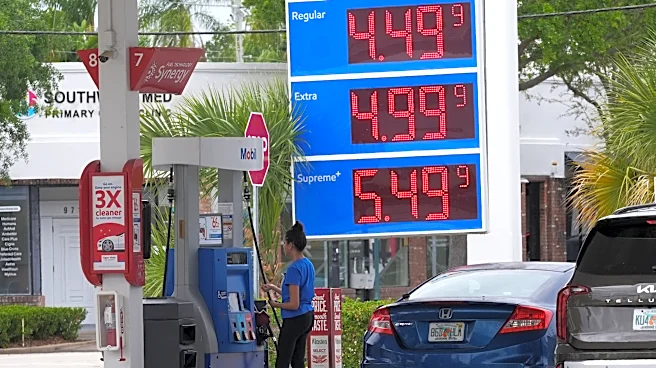
The Agriculture Minister, Tomasi Tunabuna, has warned that rising fuel costs are expected to impact food prices and supply. The crisis is anticipated to increase farming costs and may lead to limited supply due to global fuel issues. Many farming operations,
including processing and transportation, rely heavily on fuel, and the shift towards mechanization and technology will also be affected. The Ministry is actively engaging with farming communities, providing advice on reducing fuel use, cutting costs, and adopting more efficient farming practices. Government support programs for farmers will continue, including the provision of seeds, seedlings, and organic liquid fertilizer.
Why It's Important?
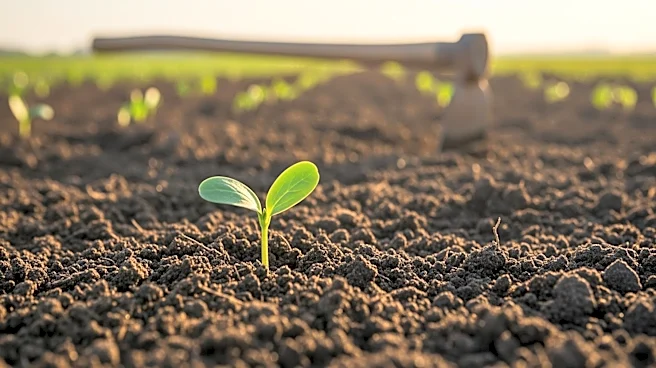
The rising fuel costs pose a significant threat to the agricultural sector, which is heavily dependent on fuel for various operations. This could lead to increased food prices, affecting consumers and potentially leading to food insecurity. The government's efforts to support farmers and promote backyard farming are crucial in mitigating these impacts. Encouraging self-sufficiency through backyard farming can help reduce the cost of living and provide a buffer against supply chain disruptions. The situation underscores the need for sustainable farming practices and alternative energy sources to reduce dependency on fossil fuels.
What's Next?
The Ministry plans to review and improve assistance programs and seek additional funding to address the crisis's impact. There is also a push for more efficient farming practices and the adoption of alternative energy sources. The government may explore policy measures to stabilize food prices and ensure supply chain resilience. Stakeholders, including farmers and consumers, will need to adapt to these changes, potentially leading to a shift towards more sustainable and localized food production systems.