What's Happening?
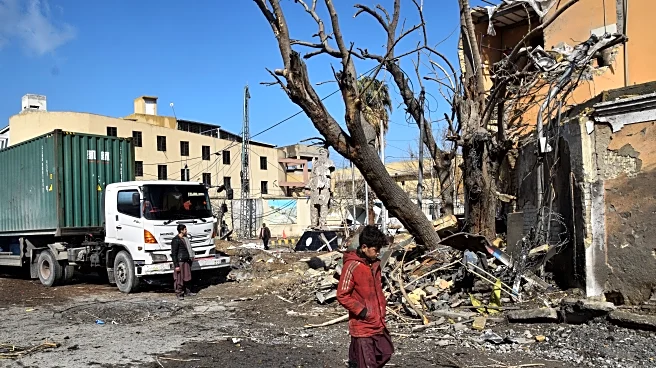
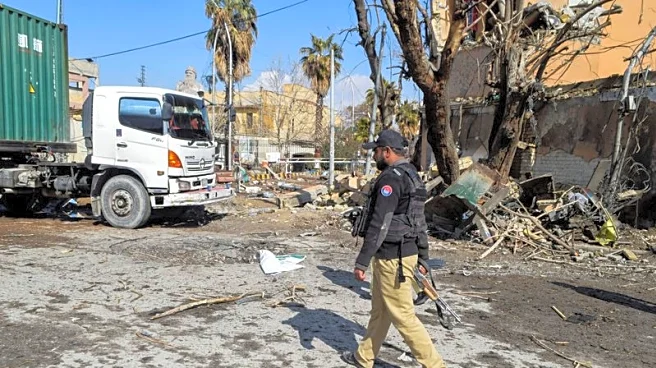
A tragic incident occurred in Pakistan's capital when a gas cylinder exploded during a wedding reception, resulting in the deaths of at least eight people, including the bride and groom. The explosion
took place as guests were sleeping at the house, causing part of the structure to collapse. Seven individuals sustained injuries, and three neighboring houses were also damaged. The father of the groom reported that his wife and sister-in-law were among the deceased. Prime Minister Shehbaz Sharif expressed his condolences and directed health authorities to provide the best possible treatment to the injured. An investigation into the cause of the explosion is underway, with authorities focusing on the safety measures related to the use of liquefied petroleum gas cylinders, which are commonly used in Pakistani households due to low natural gas pressure.
Why It's Important?
The incident highlights the potential dangers associated with the use of liquefied petroleum gas cylinders in residential areas, particularly in countries like Pakistan where they are widely used due to inadequate natural gas supply. This tragedy underscores the need for improved safety regulations and public awareness regarding the handling and maintenance of gas cylinders to prevent similar accidents. The government's response, including the call for an investigation and public education on safety measures, could lead to policy changes aimed at enhancing safety standards and reducing the risk of future incidents. The event also brings attention to the broader issue of infrastructure safety in developing regions, where outdated systems and lack of regulation can lead to catastrophic outcomes.
What's Next?
Authorities are expected to conduct a thorough investigation to determine the exact cause of the explosion and assess the damage to the surrounding area. The government may implement stricter regulations and safety protocols for the use of gas cylinders in residential settings. Additionally, there could be an increased focus on educating the public about the risks associated with gas cylinder usage and the importance of regular maintenance and safety checks. The incident may also prompt discussions on improving the natural gas infrastructure to reduce reliance on potentially hazardous alternatives.
Beyond the Headlines
This incident may have broader implications for public safety and infrastructure development in Pakistan. It could lead to increased scrutiny of residential safety standards and the implementation of more rigorous safety inspections. The tragedy also highlights the socio-economic challenges faced by many households that rely on alternative energy sources due to inadequate infrastructure. Long-term, this could drive efforts to modernize energy systems and improve access to safer, more reliable energy sources, potentially reducing the risk of similar accidents in the future.