






What's Happening?
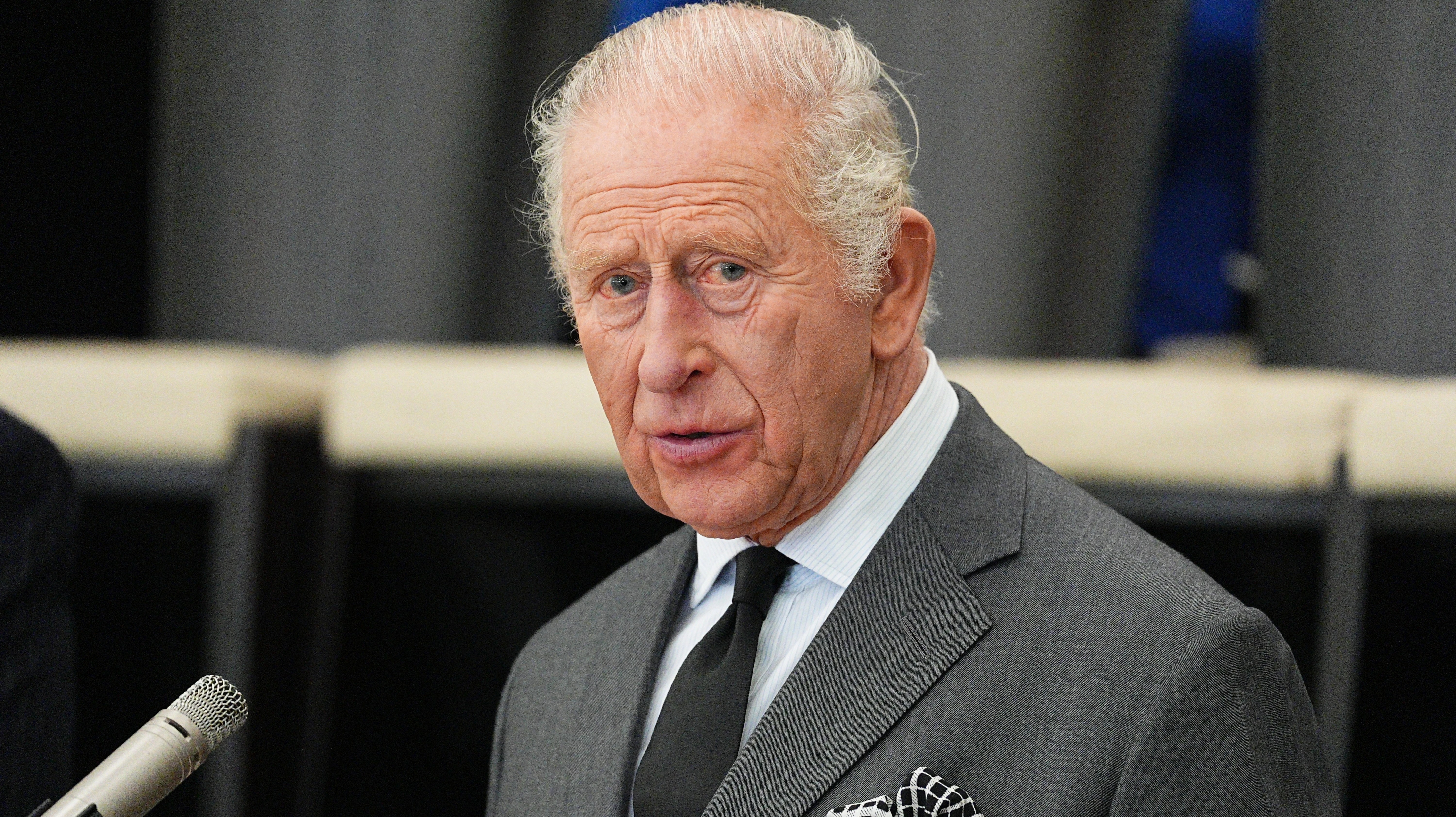
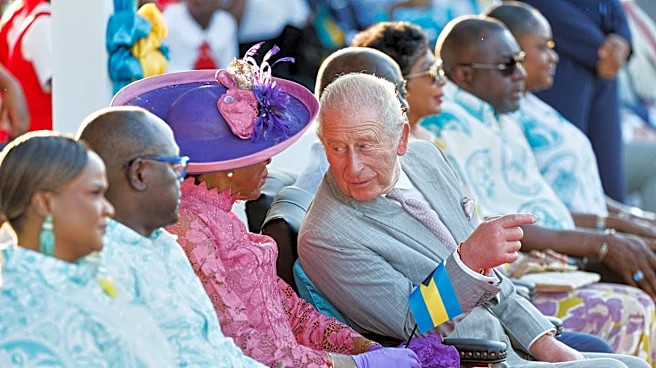
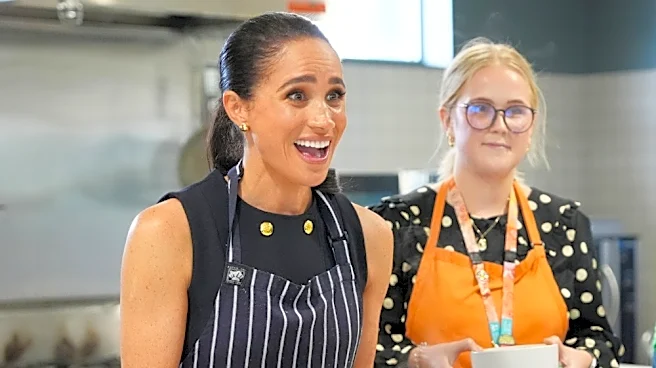
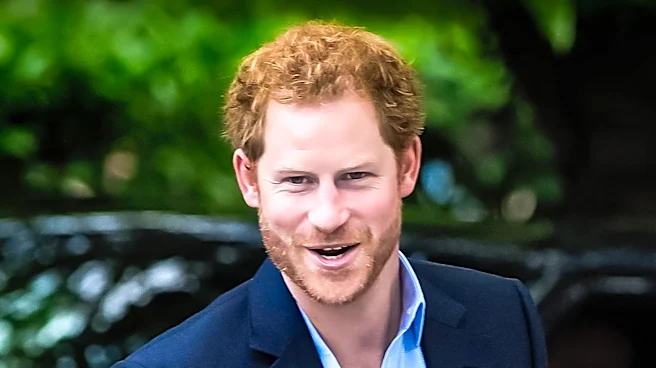
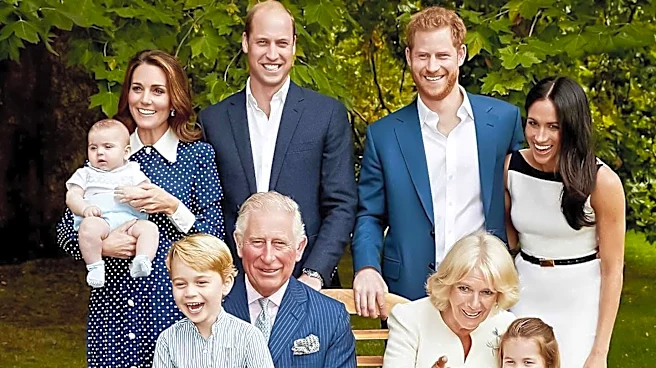
Prince Harry's public statements regarding his desire to reconcile with King Charles III and Prince William are being criticized by royal experts as a 'big mistake' that could further damage his family relationships. Despite Harry's expressed wish to repair
these ties, commentators like Richard Fitzwilliams argue that discussing the family dispute publicly undermines his efforts, making reconciliation more difficult. Fitzwilliams stated that the 'peace offering is already undermined as it is public' and that Harry 'cannot be trusted' due to past public disclosures. Royal broadcaster Helena Chard echoed this sentiment, suggesting that the palace distrusts Harry and Meghan, and that public interviews confirm Prince William's fear of private conversations becoming public. Harry, however, defends his decision to speak out, asserting that everyone else is allowed to tell their version of his story, and he should be able to tell his side.
Why It's Important?
The ongoing public discourse surrounding Prince Harry's family relationships carries significant implications for the perception of the British monarchy and its internal dynamics. The criticism from royal experts highlights a fundamental disagreement on how such sensitive family matters should be handled, particularly for individuals in the public eye. If Harry's public appeals are indeed counterproductive, it could prolong the estrangement, affecting the stability and public image of the royal family. The situation also underscores the challenges faced by public figures in balancing personal desires for reconciliation with the demands and expectations of their roles. The differing views on responsibility—with some blaming Harry's approach and others criticizing the monarchy for not allowing Harry and Meghan to resume royal duties—reflect a broader societal debate on accountability and the complexities of family disputes under intense scrutiny.
What's Next?
The immediate future suggests a continued struggle for reconciliation within the royal family, with Prince Harry's public statements likely to remain a point of contention. Royal expert Hilary Fordwich believes that Harry's public actions are ironically thwarting any chance of a familial thawing, despite his desperation for reconciliation. While King Charles III reportedly desires a united family and keeps the door open, he is aligned with Prince William that the Sussexes will not represent the royal family again. Royal broadcaster Ian Pelham Turner suggests that inviting Harry and Meghan back into official royal duties could offer the institution more control over their activities. However, given the current stance, it is improbable that the Sussexes will resume senior royal roles soon. The focus will likely remain on their independent endeavors and any future public comments, which will continue to be scrutinized for their impact on family relations.
Beyond the Headlines
The deeper implications of this ongoing royal rift extend beyond immediate family dynamics, touching upon themes of trust, privacy, and the evolving role of modern monarchies. The public nature of the dispute, fueled by interviews and memoirs, raises ethical questions about the boundaries of personal disclosure for public figures and the potential for such disclosures to exacerbate rather than heal divisions. The differing perspectives on how the conflict should be resolved—privately versus publicly—reflect a broader cultural tension between traditional discretion and contemporary demands for transparency. This situation also highlights the inherent difficulties in navigating family relationships when one party is bound by institutional expectations and the other seeks greater autonomy. The long-term impact could redefine public expectations of royal conduct and the monarchy's ability to adapt to modern challenges while maintaining its historical integrity.