


What's Happening?
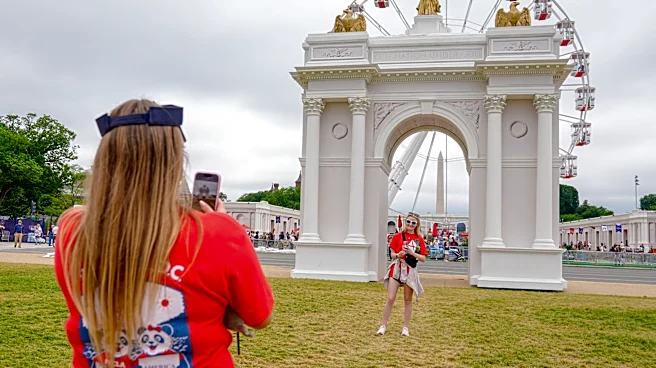
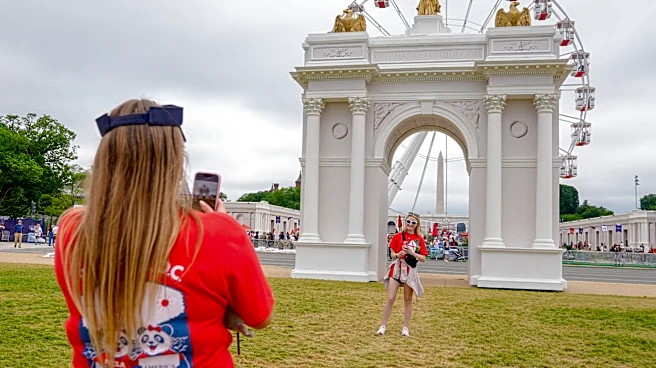
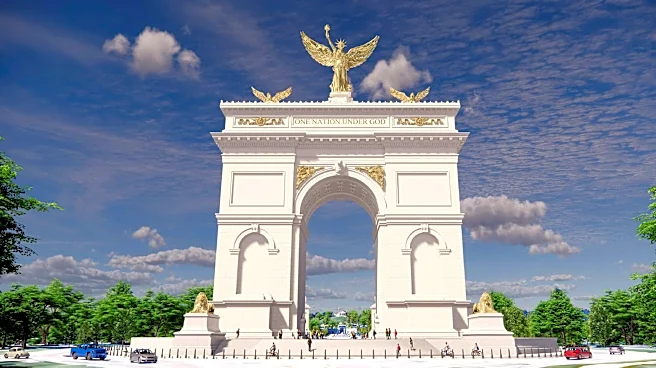
President Donald Trump has proposed a 250-foot-tall memorial arch that could potentially disrupt the historical significance of numerous sites in Washington, D.C., according to a recent assessment by the National Park Service (NPS). The proposed arch,
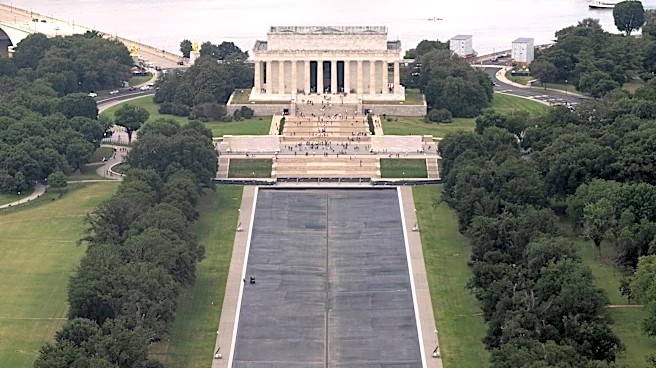
which has received initial approval from a federal commission, is planned to be located within the Memorial Avenue Corridor cultural landscape. This area is a historically significant designed landscape that extends between the Lincoln Memorial and Arlington National Cemetery. The NPS report highlights that the arch would break the alignment between the Lincoln Memorial, Memorial Bridge, and Arlington House, which was once the home of Confederate General Robert E. Lee. This alignment was intended to symbolically unite the North and South through a coordinated monumental composition across the Potomac River. The report also notes that the arch would affect the integrity of dozens of historical properties by altering their visual and spatial relationships.
Why It's Important?
The proposed arch represents a significant alteration to the carefully planned historical and symbolic landscape of Washington, D.C. The potential disruption to the alignment of key historical sites could impact the cultural and historical narrative that these sites collectively represent. The project has sparked opposition, including a lawsuit filed by a group of veterans and a historian, highlighting the contentious nature of altering such a significant historical landscape. The arch is part of President Trump's broader efforts to leave a lasting imprint on the nation's capital, but it raises concerns about preserving the historical integrity of Washington's monuments and sites.
What's Next?
The White House has stated that it will adhere to all legal requirements in constructing the arch. However, the project faces potential legal challenges and public opposition, which could delay or alter its implementation. The outcome of the lawsuit and any further assessments by planning bodies will be crucial in determining the project's future. Stakeholders, including historians, veterans, and preservationists, are likely to continue voicing their concerns, potentially influencing public opinion and policy decisions regarding the arch's construction.